Did you know that our planet is surrounded by giant,
donut-shaped clouds of radiation?
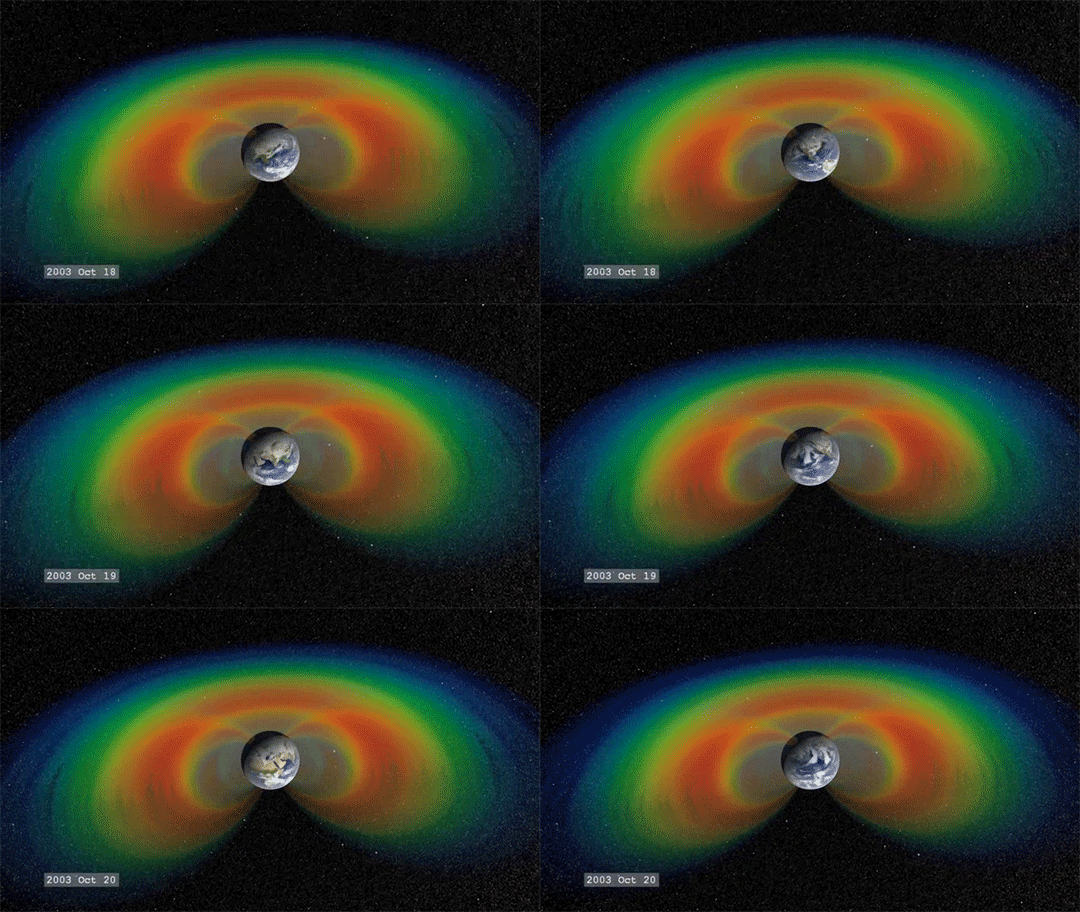
Here’s what you need to know.
1. The radiation
belts are a side effect of Earth’s magnetic field
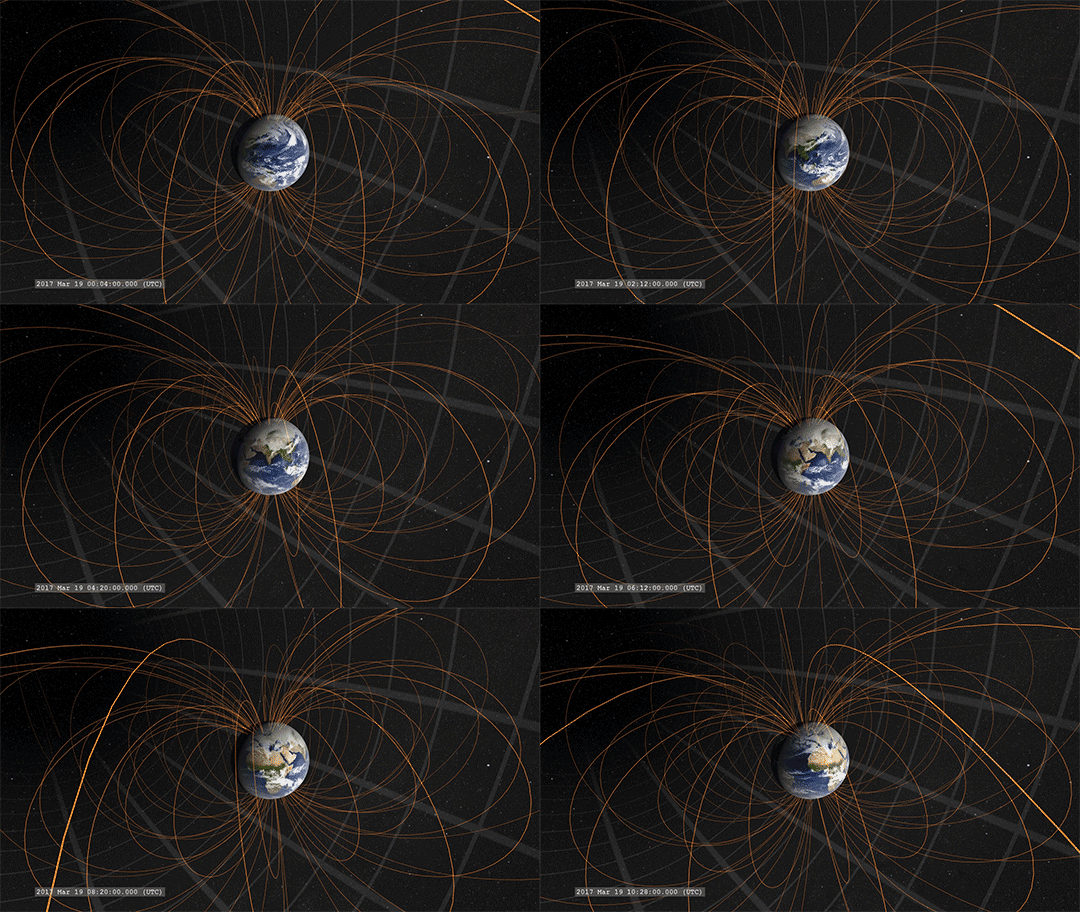
The Van Allen radiation belts exist because fast-moving charged
particles get trapped inside Earth’s natural magnetic field, forming two
concentric donut-shaped clouds of radiation. Other planets with global magnetic
fields, like
Jupiter, also have radiation belts.
2. The radiation
belts were one of our first Space Age discoveries

Earth’s radiation belts were first
identified in 1958 by Explorer 1, the first U.S. satellite. The
inner belt, composed predominantly of protons, and the outer belt, mostly
electrons, would come to be named the Van Allen Belts, after James Van Allen,
the scientist who led the charge designing the instruments and studying the
radiation data from Explorer 1.
3. The Van Allen
Probes have spent six years exploring the radiation belts
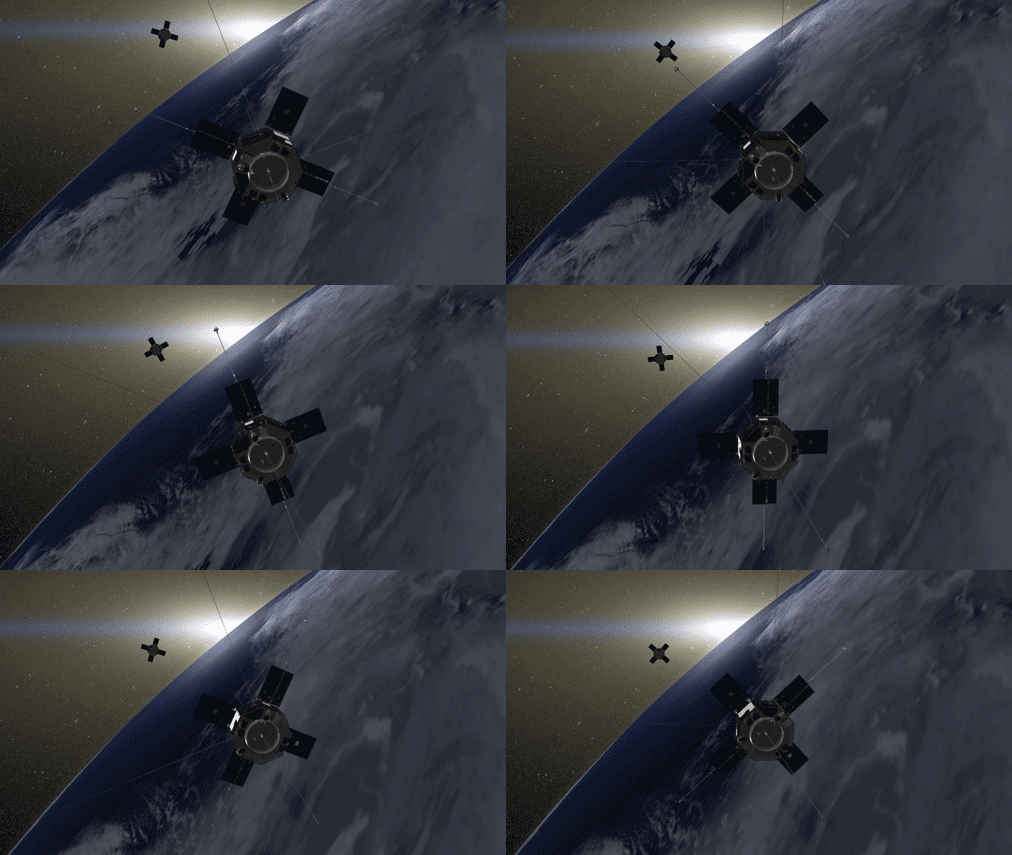
In 2012, we launched the twin Van Allen Probes to
study the radiation belts. Over the past six years, these spacecraft have
orbited in and out of the belts, providing brand-new data about how the
radiation belts shift and change in response to solar activity and other
factors.
4. Surprise! Sometimes
there are three radiation belts
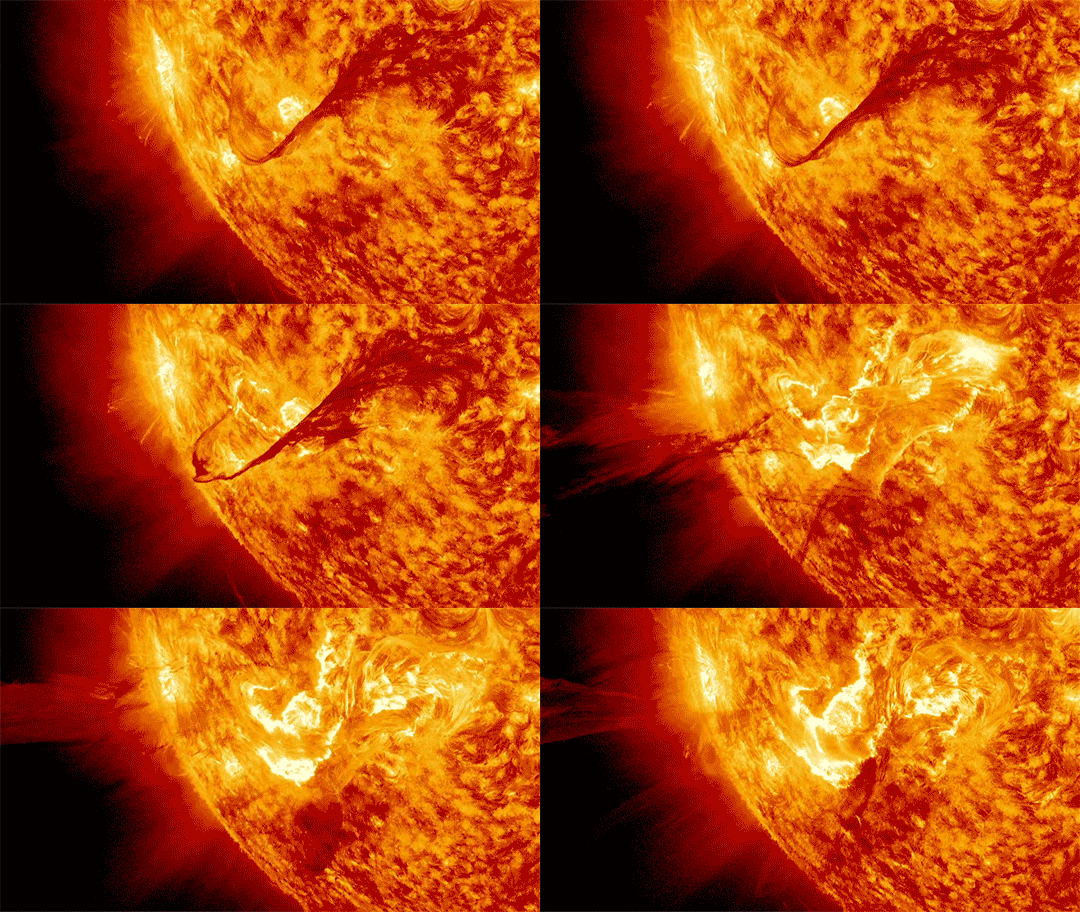
Shortly after launch, the Van Allen Probes detected a
previously-unknown third
radiation belt, created by a bout of strong solar activity. All the
extra energy directed towards Earth meant that some particles trapped in our
planet’s magnetic field were swept out into the usually relatively empty region
between the two Van Allen Belts, creating an additional radiation belt.
5. Swan song for the
Van Allen Probes
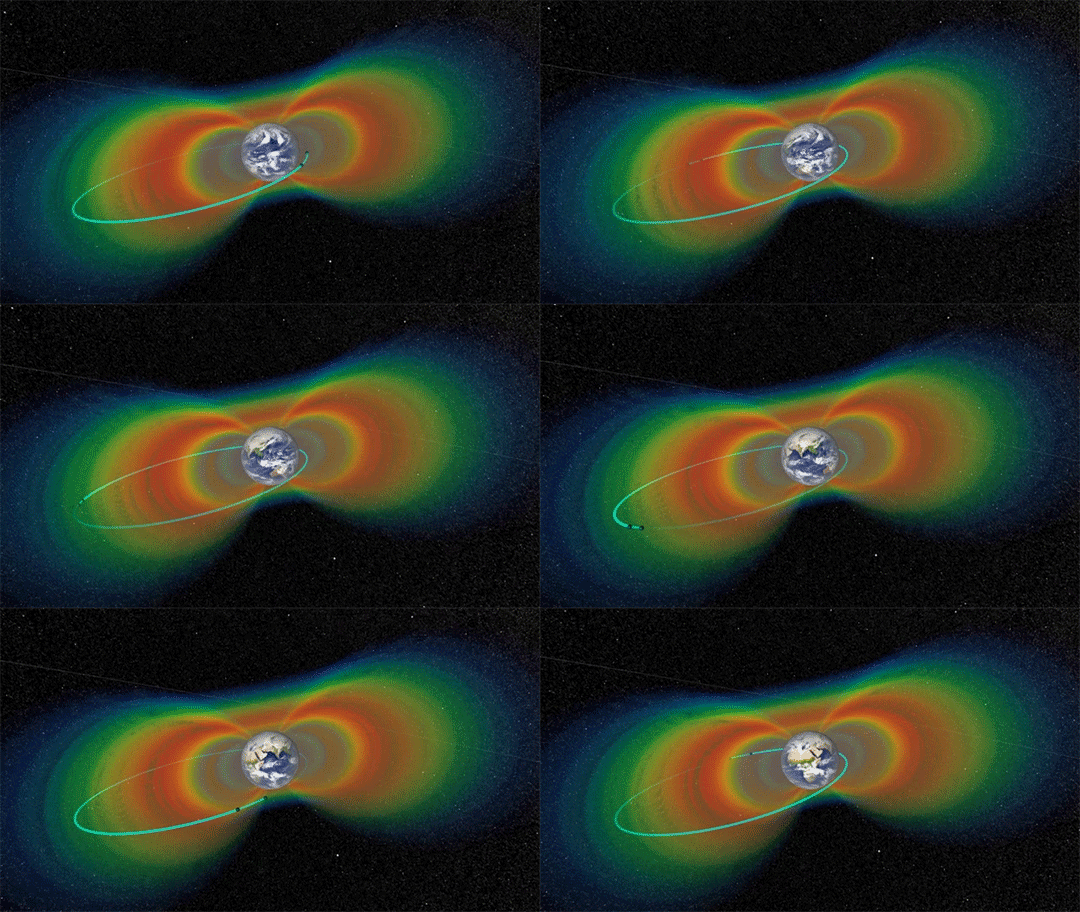
Originally designed for a two-year mission, the Van Allen
Probes have spent more than six years collecting data in the harsh radiation
environment of the Van Allen Belts. In spring 2019, we’re changing their orbit to bring the perigee — the part of the
orbit where the spacecraft are closest to Earth — about 190 miles lower. This
ensures that the spacecraft will eventually burn up in Earth’s atmosphere,
instead of orbiting forever and becoming space junk.
Because the Van Allen Probes have proven to be so hardy,
they’ll continue collecting data throughout the final months of the mission
until they run out of fuel. As they skim through the outer reaches of Earth’s
atmosphere, scientists and engineers will also learn more about how atmospheric
oxygen can degrade satellite measurements — information that can help build
better satellites in the future.
Keep up with the latest on the mission on Twitter, Facebook
or nasa.gov/vanallenprobes.


Комментариев нет:
Отправить комментарий