In connection with the release of new iPhones , many have not to cars, but in the world of cars last week also held an important event — the opening of the international motor show in Frankfurt. The event featured many hot new releases. Some of them are not just going to please us on the pages of glossy magazines, and will have a significant impact on the Russian market.
⇡#Serial new
Dacia Duster
The first information about the second generation Renault Duster we announced a few weeks ago. Now about the new product became known more details.

The nature of external change is such that if you did not look, the new Duster could be taken for the former, high for easy restyling. In fact, it was redesigned all external elements, though it is hard to believe.
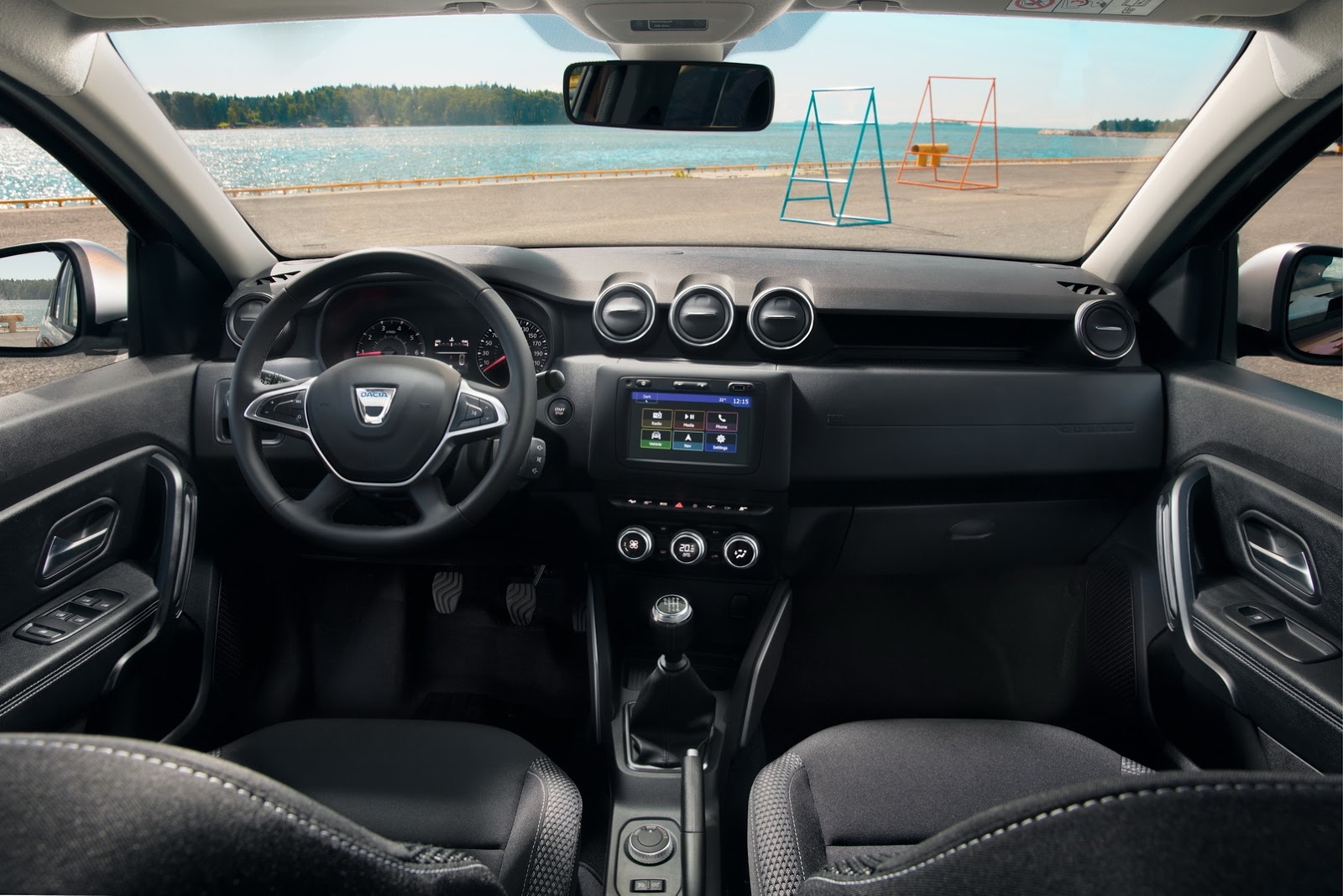
More global metamorphosis visible in the interior. “Duster” not only got a new steering wheel that recently debuted on the new models of Logan and Sandero (though they have not yet reached Russia), and other elements were significantly changed. For example, there was a engine start button. But multimediasystem touch screen remains the same. Speaking of practicality, what is important is that now the steering wheel is regulated not only tilt, but also on the flight.
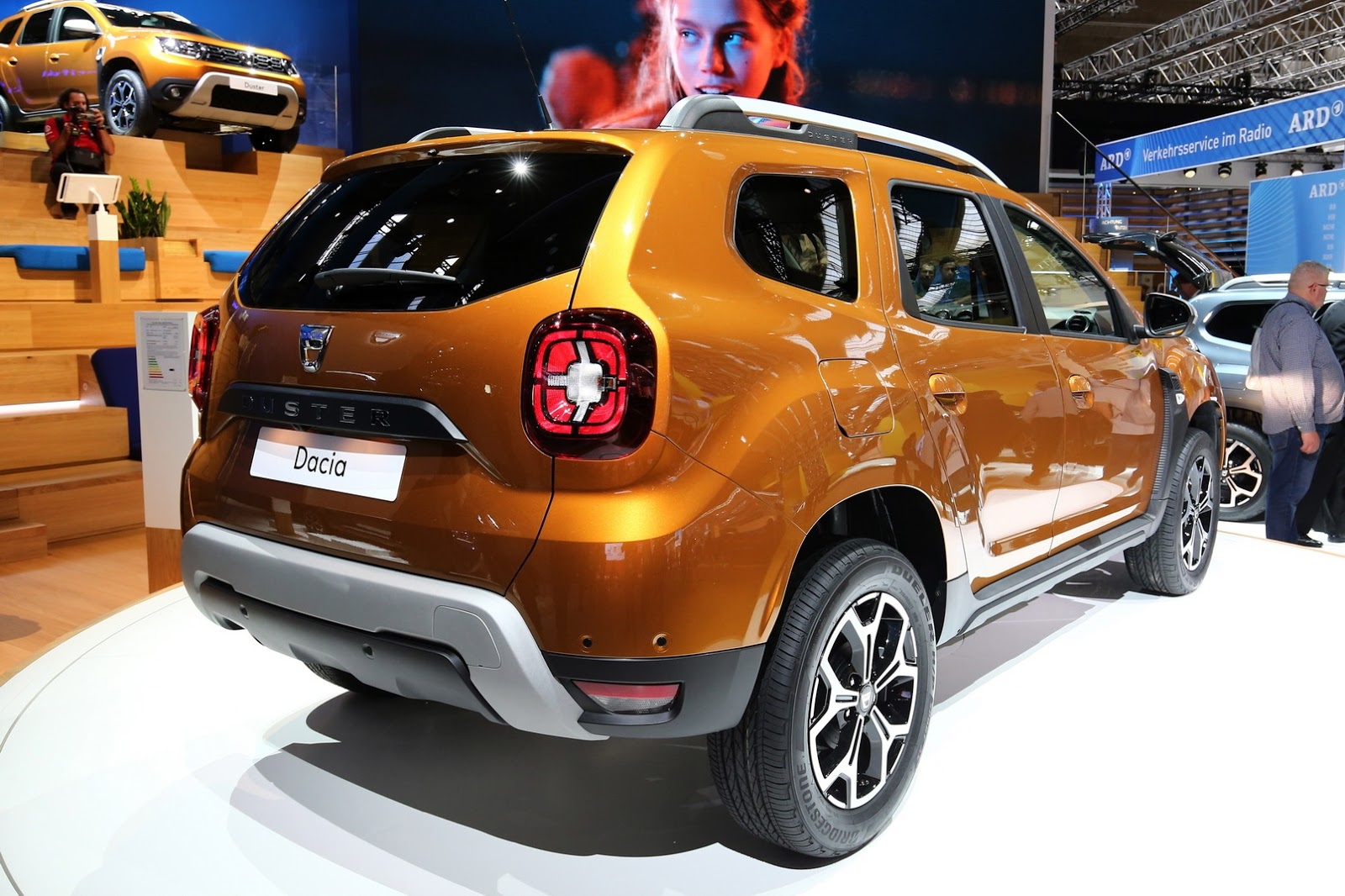
In Europe, the Duster will continue to be sold under the brand Dacia. There, buyers will offer petrol engines of 1.6 SCe (115 horsepower) and 1.2 TCe (125). The first of these motors will be able to digest more and liquefied gas. Despite the diesel scandal, inexpensive SUV you can buy with a-liter unit dCi series running on “heavy” fuel. Depending on the modifications, its benefits should be 90 or 110 horsepower.
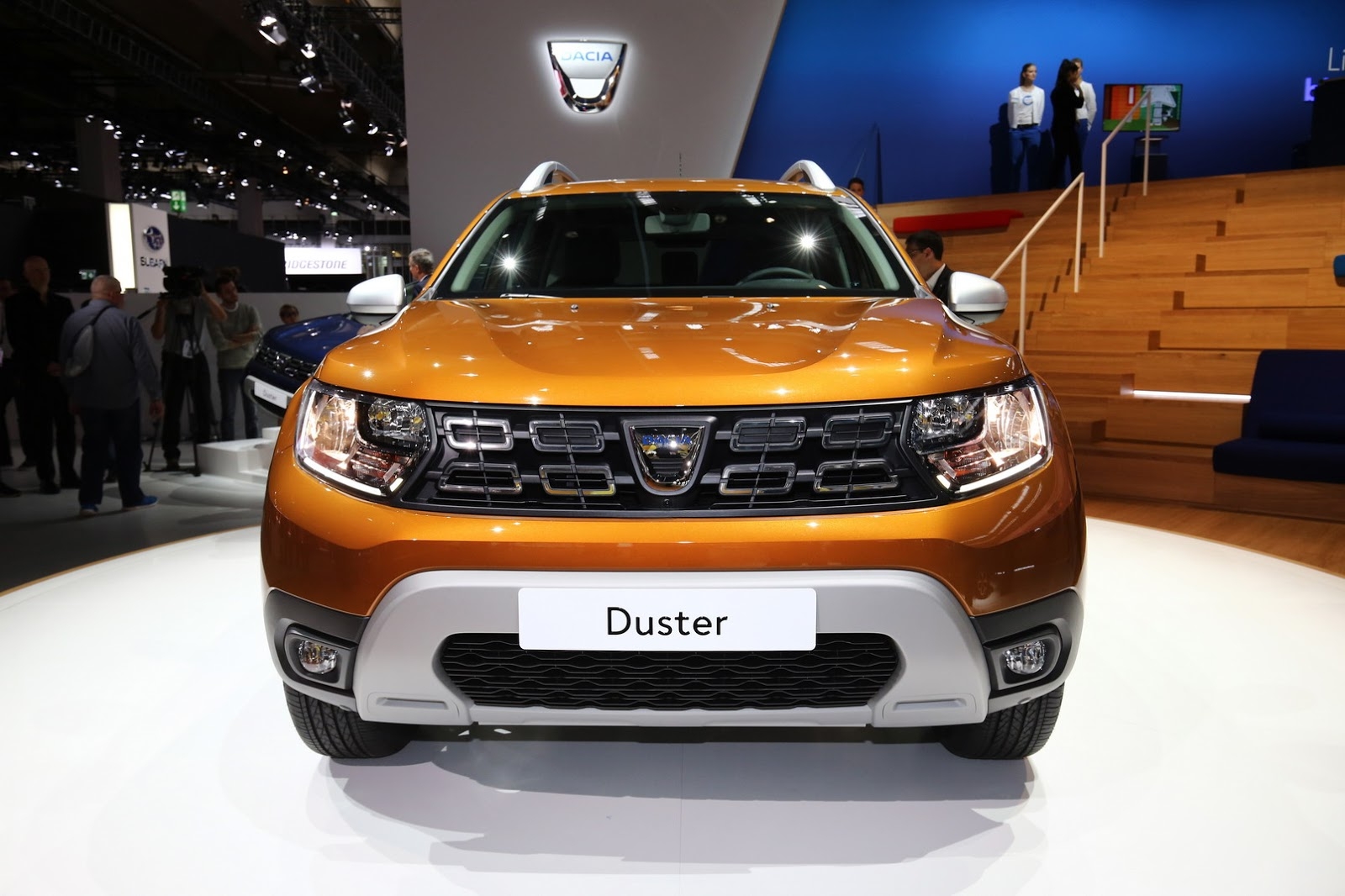
European Dacia Duster customers can choose between front-wheel and all-wheel drive. Transmission can be mechanical or robotic. But don’t blame Renault in the rejection of traditional “machine”: most likely, the configuration of the Duster for the Russian market will not change, so we’ll do without turbo, and without the “robot”. Obviously, our country will be sold the crossovers with the old atmospheric engines (not including diesel version).
Another question — the date of commencement of sales. Usually, the new Renault/Dacia for a very long time preparing to enter the Russian market, so we can hardly expect the appearance of the next potential bestseller French brand earlier than 2019.
Ferrari Portofino
It turns out too rough a transition from a Dacia Duster to Ferrari Portofino, from roller coasters to even the most hardy vestibular system begged for mercy. But nice to live not forbid, especially if we are talking about places like California or Portofino. Yes, it replaced the Ferrari California T came this magnificent car.
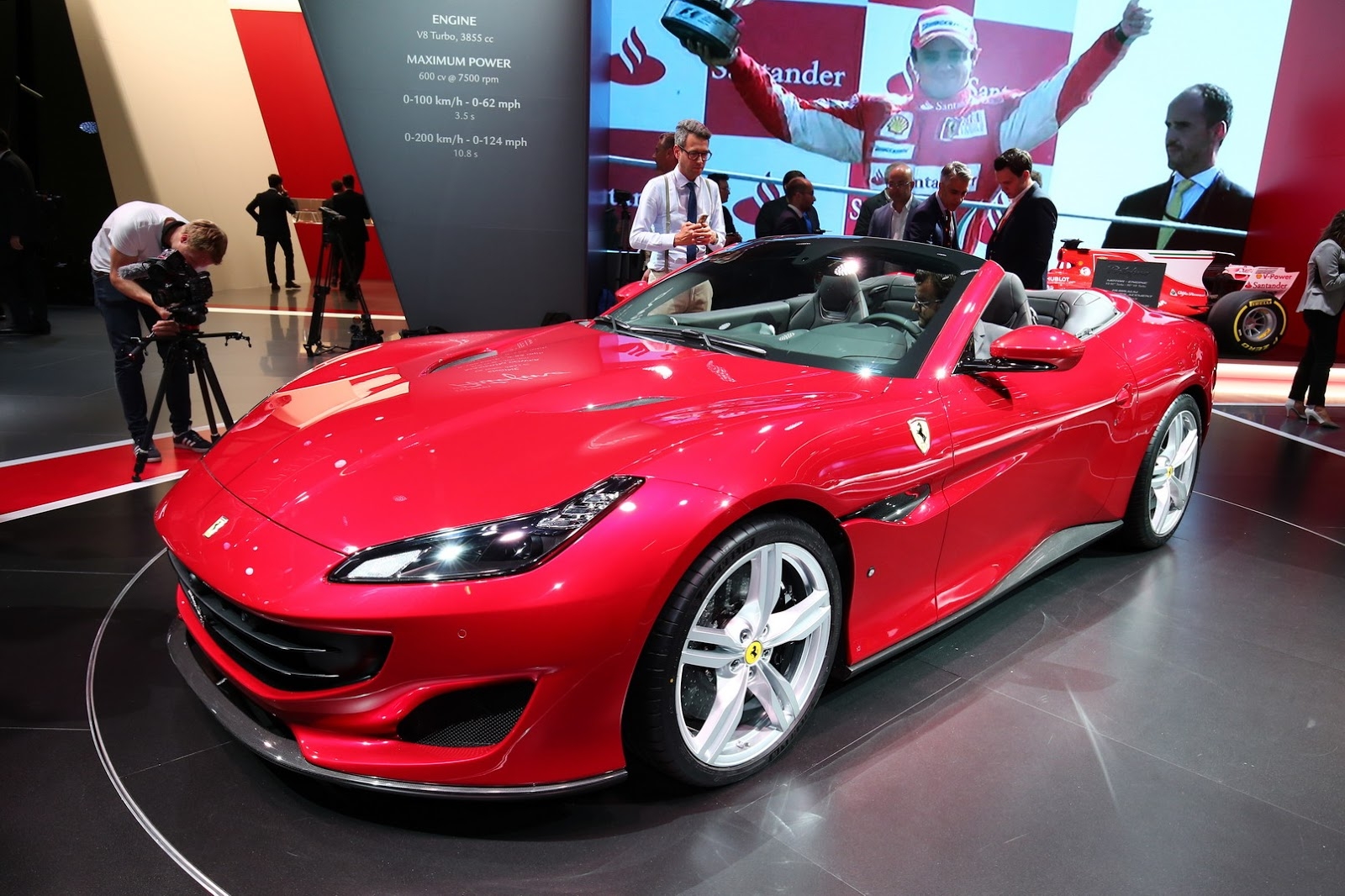
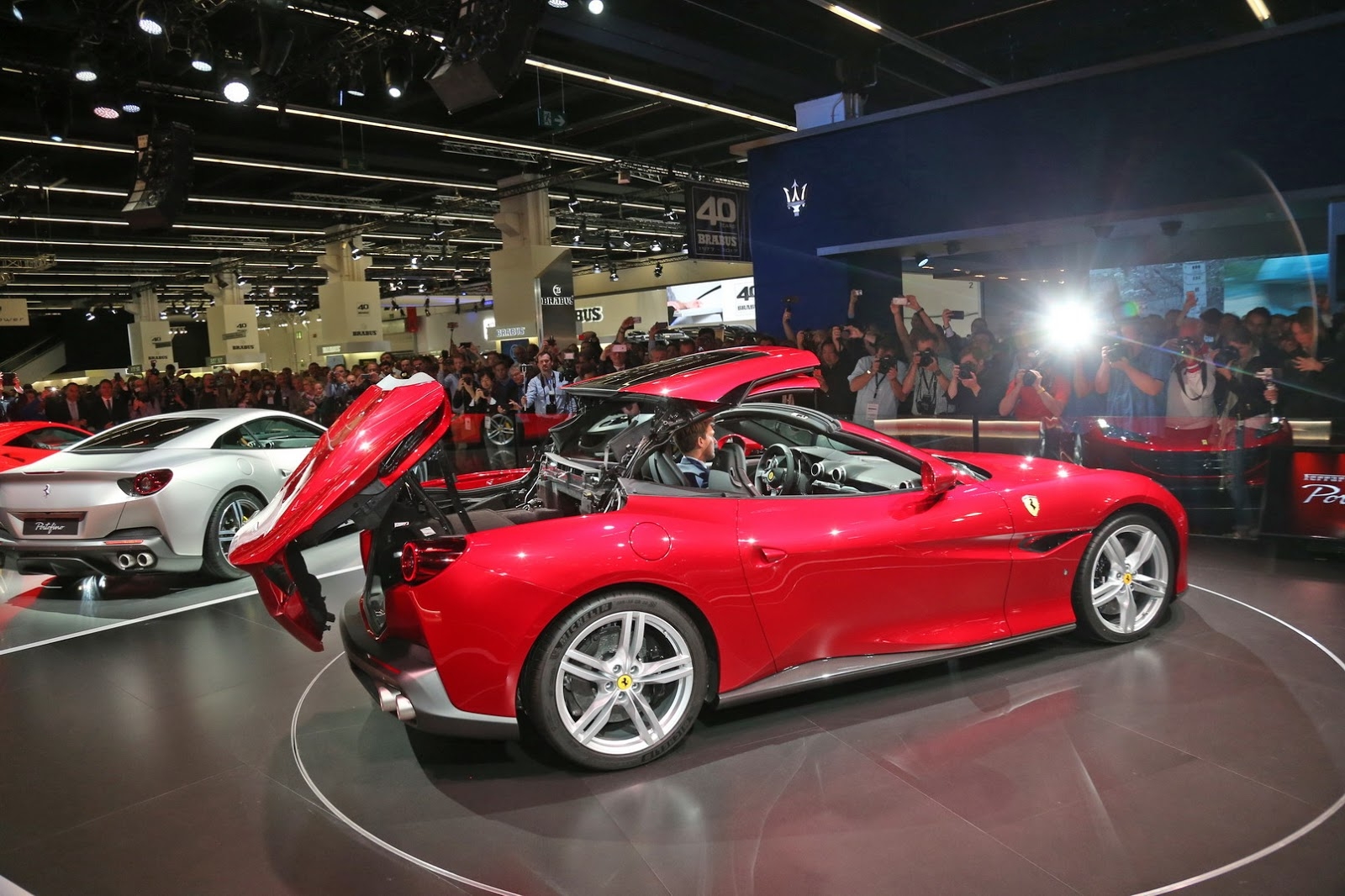
Ferrari Portofino resembles predecessor as visually (although all body panels were changed), and technically. However, the Italian master still conjured over the filling. They used a new piston group and reworked the exhaust system, resulting in improved returns of up to 600 horsepower and 760 N·m (40 “horses” and 5 N·m).
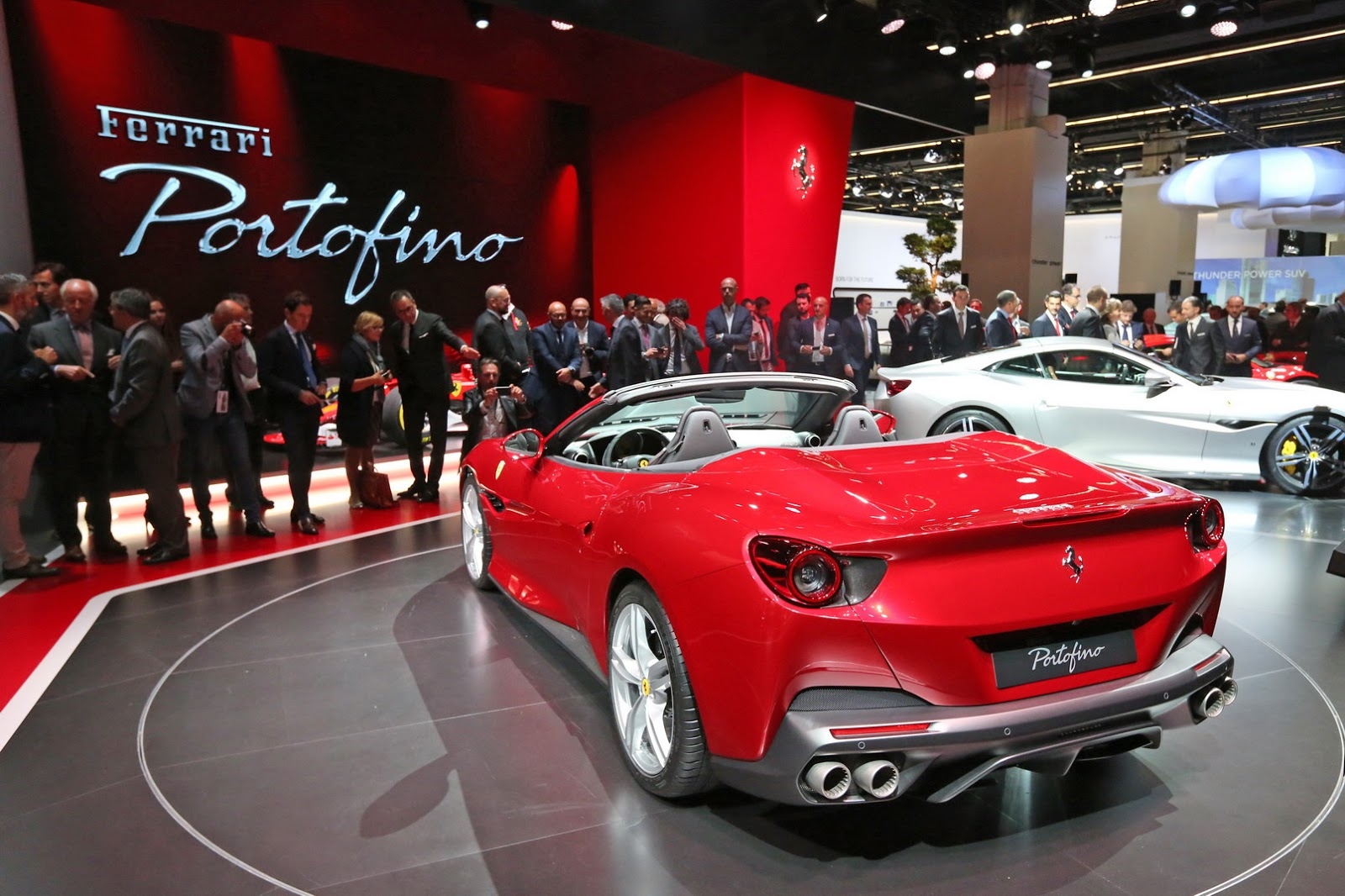
Dynamic characteristics have not changed: now the first “hundred” supercar gathering not in 3.6 seconds and 3.5. The maximum speed has risen from 316 to 320 km/h. Among other innovations, the manufacturer notes retuned electric power steering and a new rear differential E-Diff3 electronic control.
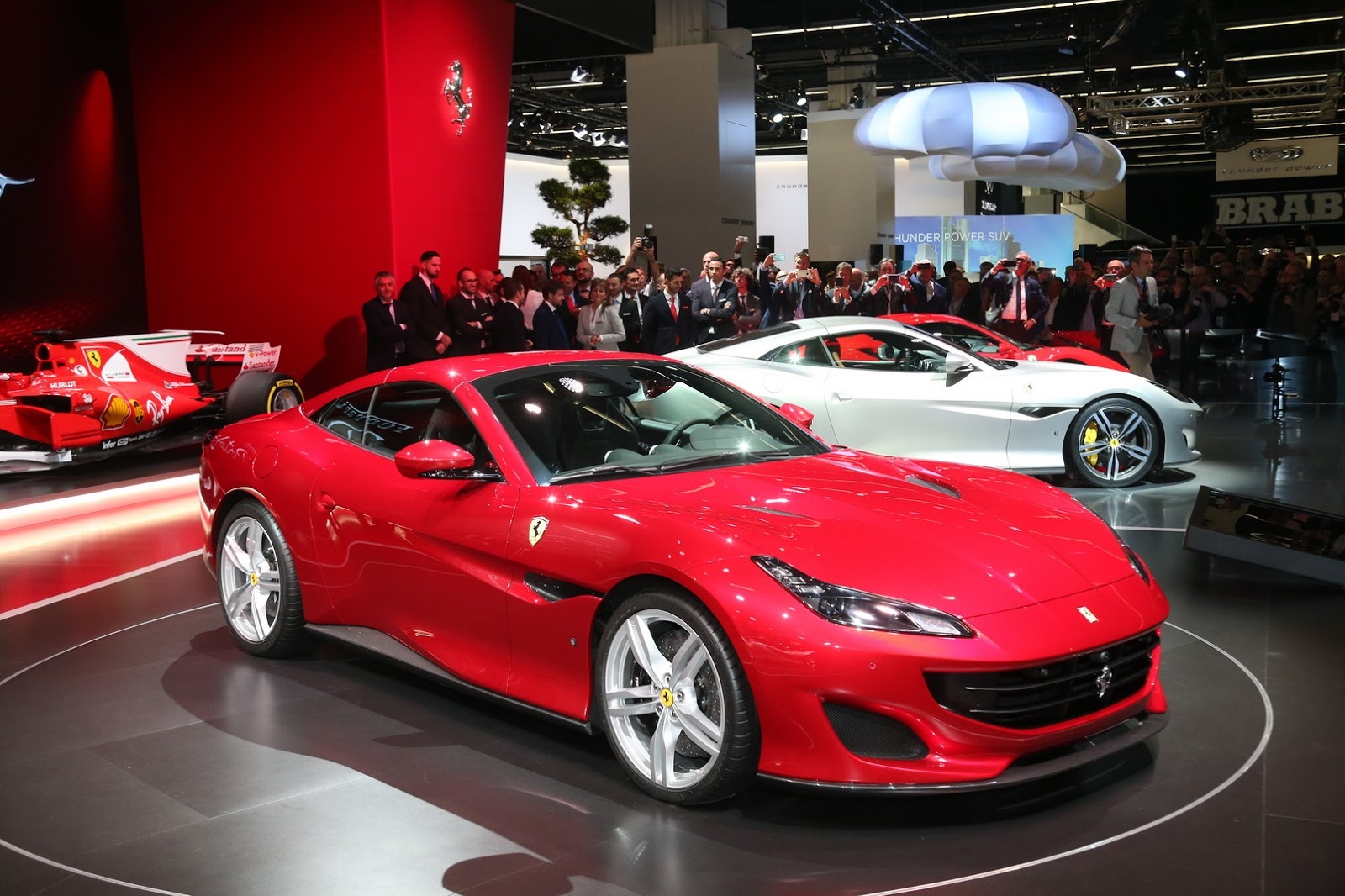
Inside the new product boasts a touch screen with a diagonal of 10.2 inches, and an additional display mounted to the passenger.
London TX
Quite an interesting novelty of the Frankfurt was the new London cab. Visually it resembles an ordinary car-taxis, which for several decades to dissect the capital of the UK, but there is one important technical difference: it has no internal combustion engine.
Developer and manufacturer of novelty was London EV Company (LEVC), formerly known as the London Taxi Company. It is noteworthy that the cab is not painted in the traditional black, and beige. It is a tribute to a German tradition: this scheme, which is officially called Eifelbein was mandatory for all taxis of Germany in the period from 1971 to 2005.
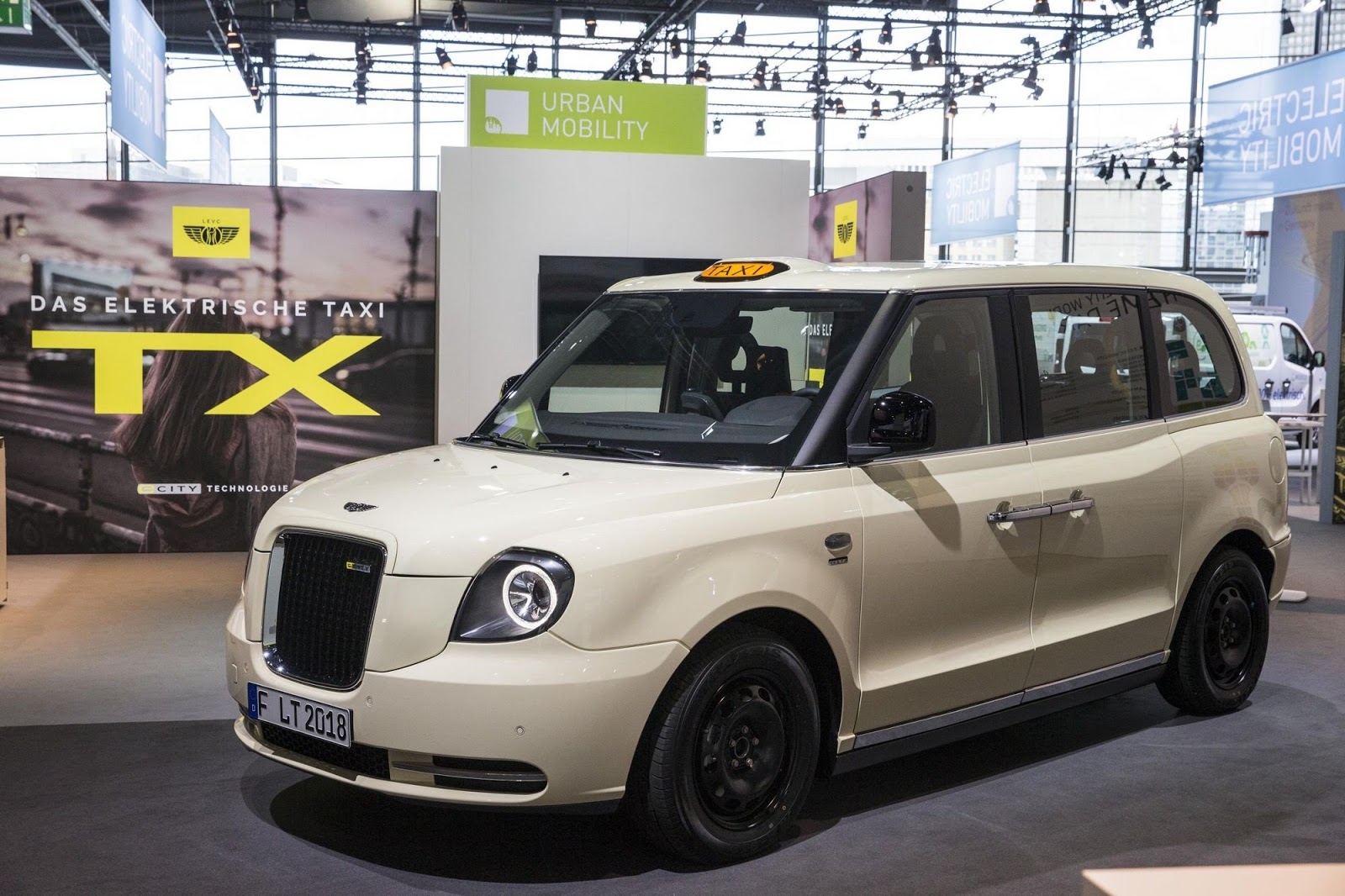
Representatives LEVC reported that they do not want to be limited only to London and are planning to supply environmentally friendly cars in Germany and other European countries. In the future, mentioned the expansion to the Chinese market. But here it is a funny situation: LEVC is a subsidiary of Geely, so technically it’s a Chinese company, although its main activities are concentrated in Britain.
Used in London TX power unit is called eCity. The car is driven by an electric motor, and the power reserve is 120 kilometers. Of course, it is very modest for a big city, so engineers have also included a small gasoline generator. With the help of the cab will be able to travel 640 miles.
In the future, the manufacturer plans to introduce light commercial vehicles with a similar stuffing: it is expected that he will also be in demand in London and other European cities with heavy traffic.
Renault Megane RS
Fitment Renault Megane of new generation was presented in Frankfurt two years ago. Now the French company has brought here top-version of the Megane RS, which traditionally has obstinate character.

The previous generation Renault Megane RS has been almost iconic representatives of their class. They have repeatedly become the fastest front-wheel drive car at the nürburgring. The new car has all the prerequisites for the repetition of the records of his predecessors.
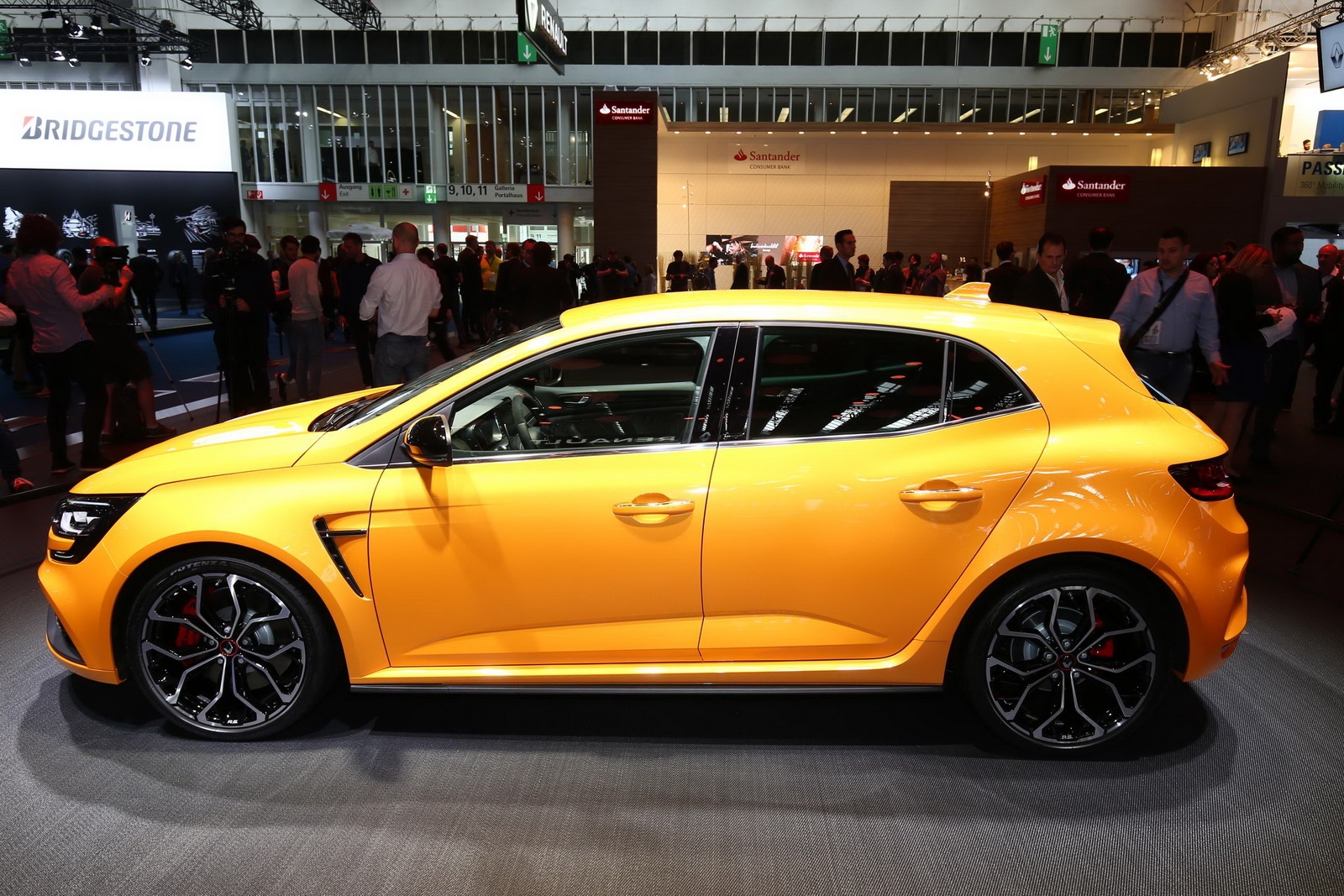
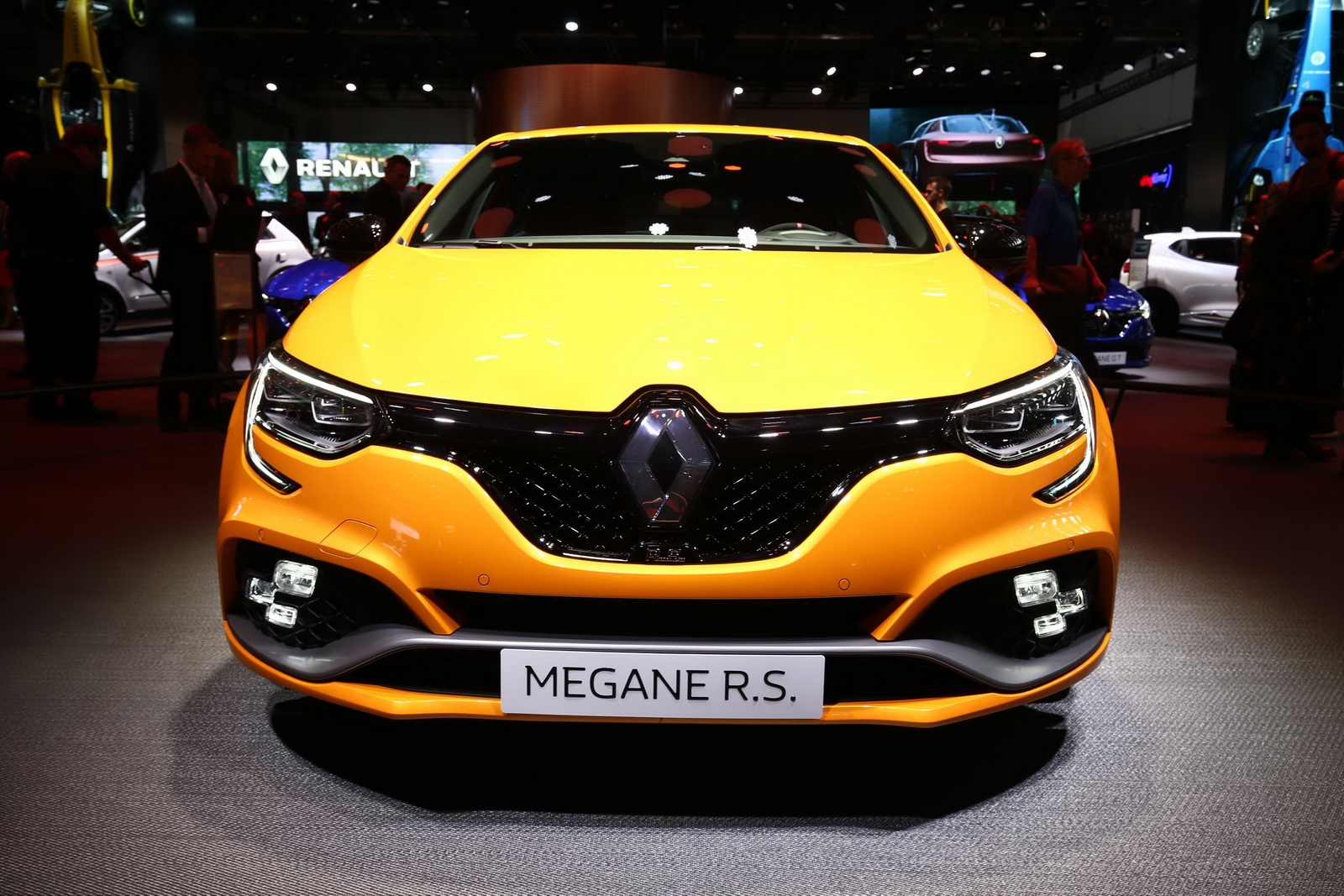
Now Renault Megane is produced only in five-door version, and what version of RS has lost more concise three-door body. But to distinguish the powerful “Megan” from the ordinary is not difficult: designers traditionally painted specifically for the hot hatch a more aggressive bumpers. Front draw attention to yourself with unusual units of daytime running lights which remind of the checkered racing flag, not the logo Renault Sport. Back eyes clinging to the mounted on the center body of the large nozzle in the form of a Micro-USB connector (how soon will the Type-C?). Rims can have a diameter of 18 or 19 inches.
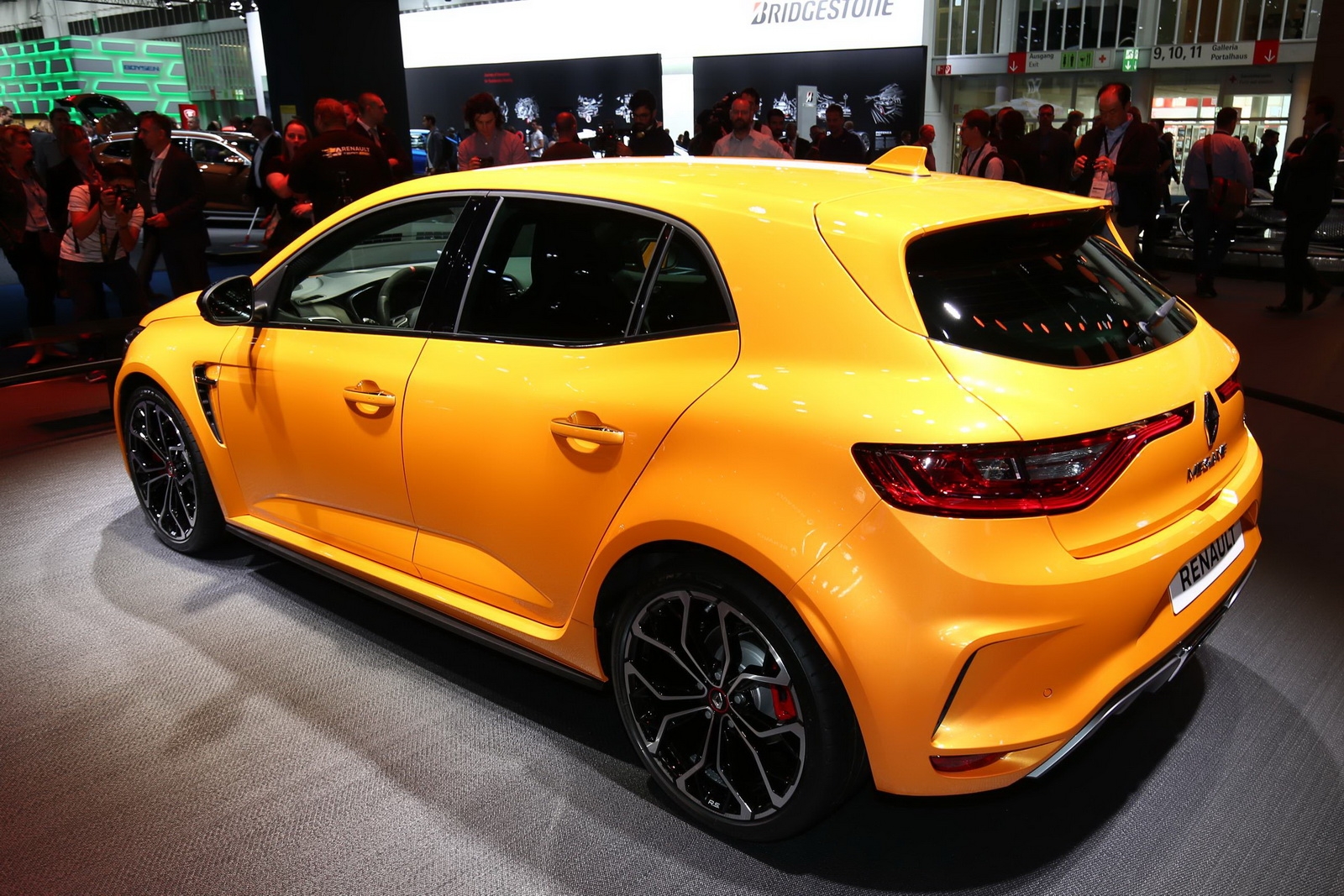
Even more surprises conceals appliances. To replace the two-liter turbo engine came a new unit with a volume of 1.8 liters. Previously, he was seen on mid-engine coupe Alpine A110. For “Megana” engineers have increased its impact up to 280 horsepower and 390 N·m.
No less interesting is the updated chassis. The fact is that the Renault Megane RS will be the first vehicle in the segment, which is equipped with the so-called polnopravnym chassis. This means that when you turn the steering wheel will respond, not only the front but also the rear wheels. At speeds up to 60 km/h they rear axle will be rotated in opposite relative to the front side, and after all four wheels in the bends will look in the same direction.
A similar working principle is used in some other models. The dependence of the direction of rotation of a rear wheel speed is introduced in order to provide a vehicle right at this moment properties: if slow motion system 4CONTROL will increase maneuverability, but at a high rate of drive will increase the stability.
Another important innovation was the six-speed robotized transmission with two wet clutches. It will not be installed by default, but for the family Renault Megane RS for the first time there is an alternative “mechanics”.
Unfortunately, the exact dynamic characteristics loaded “Mehana” are kept secret. The manufacturer only said that the acceleration from 0 to 100 km/h it spends less than six seconds. But the main intrigue lies elsewhere: can the Renault Megane RS again become the king of the Nurburgring, taking the crown from Honda Civic Type R.
Mercedes-Benz GLC F-Cell
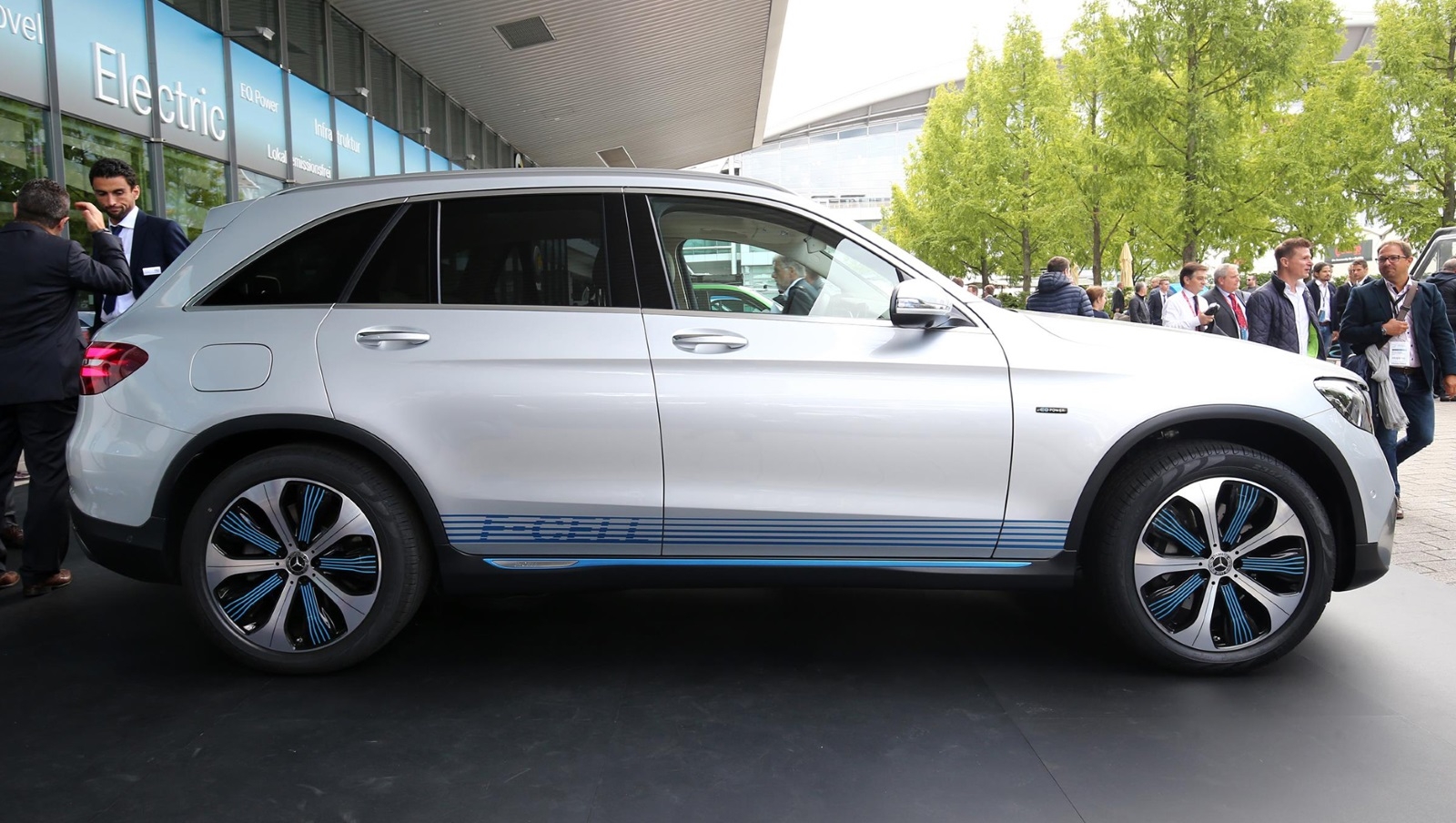
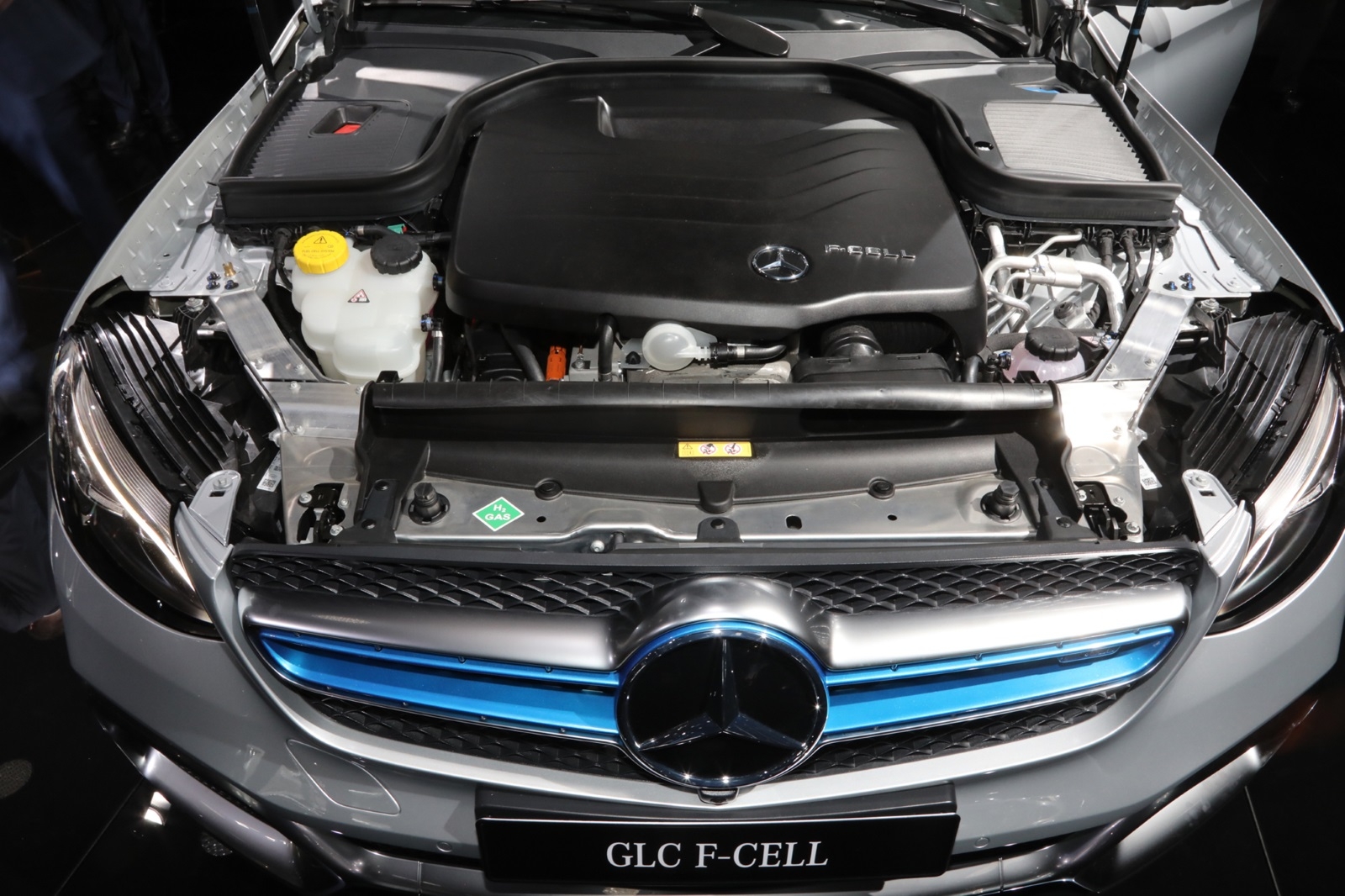
If you remove the blue inserts not to pay attention to the labels, visually this is the most common crossover Mercedes-Benz GLC. Place the neck of the fuel tank, and if you open the hood, you will see the usual plastic plate, which usually hides the internal combustion engine. That’s just on the rear bumper comes with another hatch, like the crossover of the two tanks.
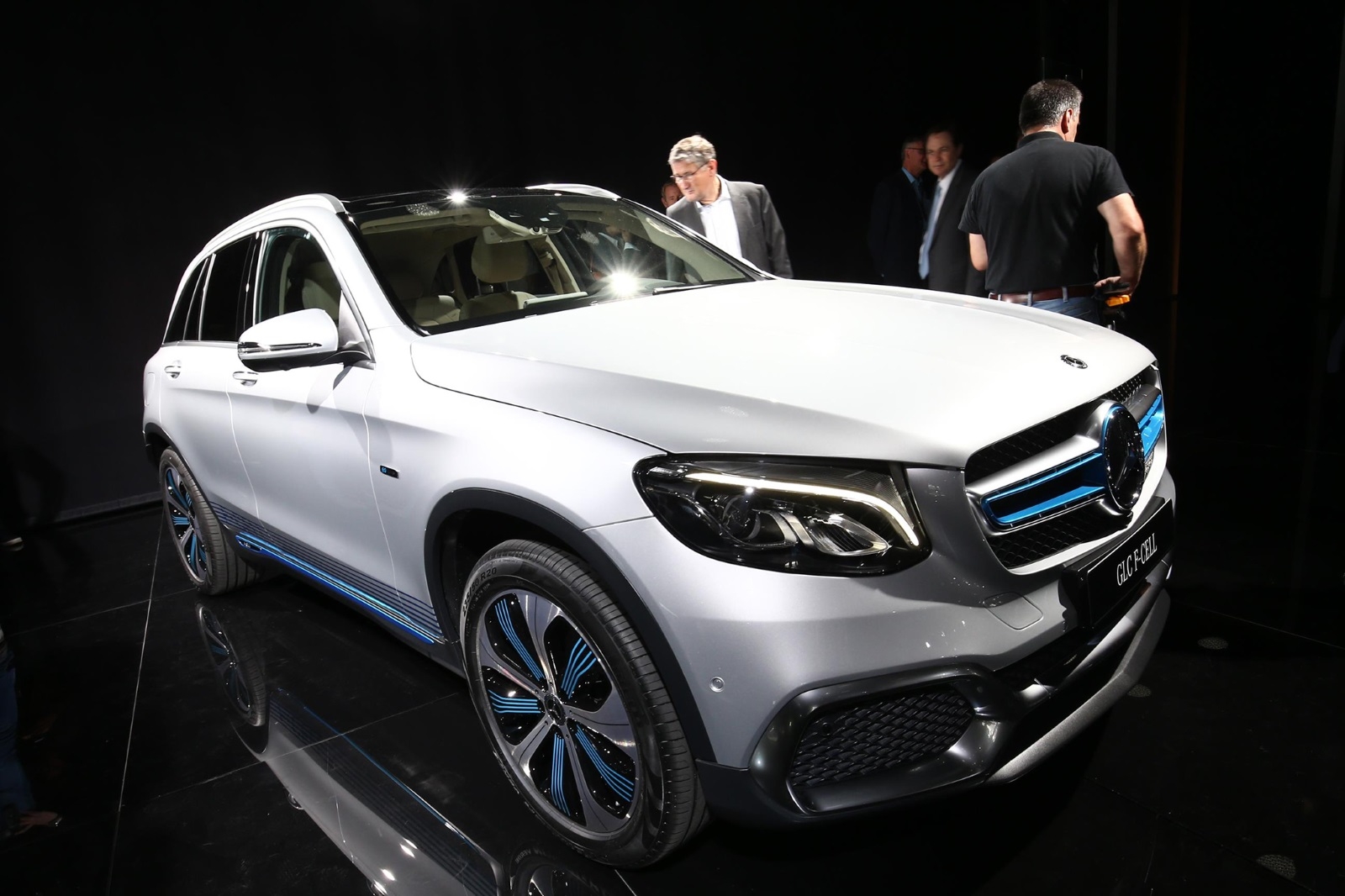
Actually it is: Mercedes-Benz GLC F-Cell provides two tank. Rather, two containers each of which holds at 4.4 kg of hydrogen at a pressure of 700 bar. The use of two tanks GLC F-Cell reminiscent of the Russian SUV “Patriot”, which until recently was equipped with two fuel tanks, one on each side. That’s only if the car can be considered a Hello from the past, the GLC F-Cell is the messenger of the future.

The manufacturer calls this crossover the world’s first car that not only runs on hydrogen, but also allows you to charge from an external source of energy. On Board has a small lithium-ion battery with a capacity of 13.8 kWh, which allows you to travel up to 49 miles (though by the rules of the unrealistic NEDC cycle). The General reserve up to 437 miles. By the way, the ballons are filled with hydrogen in just three minutes, i.e. at about the same rate at which conventional fuel is filled in the usual fuel tank.
Used Mercedes-Benz GLC F-Cell fuel cell for 30 % more compact than the one installed in the B-Class F-Cell, so that the main filling for the first time would fit in the engine compartment. In addition, the German engineers managed to reduce the use of platinum is about ten times that, too, is a positive signal.
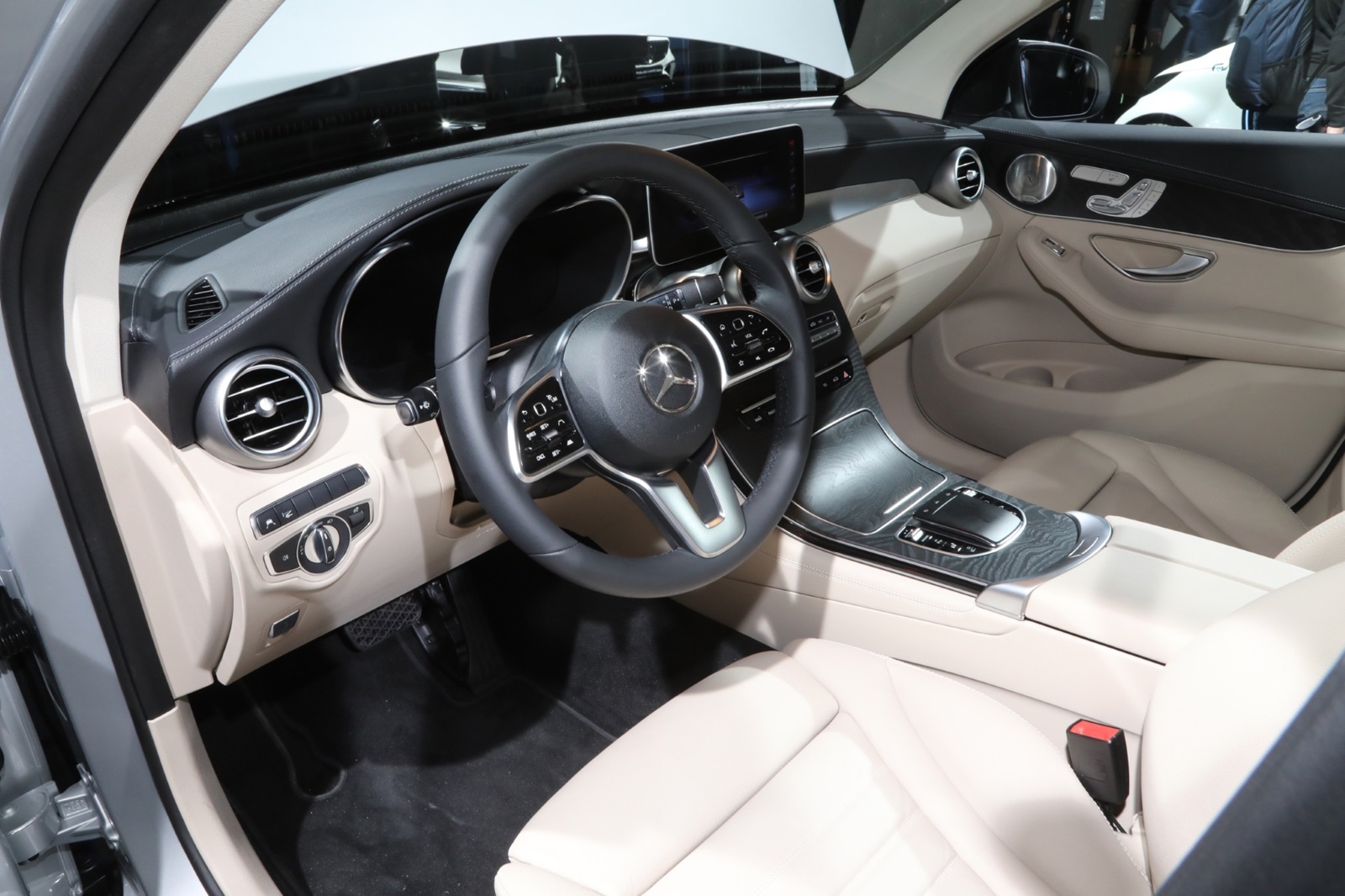
It seems that GLC F-Cell has all the prerequisites to become the first truly successful hydrogen car: it is refilled in minutes, can be charged from a wall outlet and drive only at the expense of the battery, and usability is not inferior to the standard version of the crossover. But not so simple.
One of the main problems of such machines is poorly developed infrastructure. Even in the best of Germany is available only 30 hydrogen filling stations, and in many countries there are none at all. This fight is obviously lost electric cars: in the US, Europe, Japan and China charging station is literally at every step, and their construction costs mere pennies. And more cars with fuel cells are too expensive: Toyota, Hyundai, and Honda (only they produce such machines) sell them at a loss even with the high cost.
Besides Mercedes-Benz GLC F-Cell in some aspects is still inferior to its petrol and diesel cousins. This version can only be rear-wheel drive, so that the storming of the gully will have to forget. Another disadvantage is the reduced ground clearance: the electric motor (by the way, its power is 200 horsepower) installed on the rear of the gearbox. Yes what to speak, if he is Dieter Zetsche (Dieter Zetsche), the Chairman of the Board Daimler AG and head of Mercedes-Benz Cars, said in the spring about the prospects hydrogen cars that “do not play a major role“.
Earlier it was planned to begin sales of the Mercedes-Benz GLC F-Cell is already in the current year, but the timing is gradually shifted. Most likely, the serial production of innovative release will not begin until the end of 2019. The German company still had to finish the fuel cell, developed jointly with Ford. Their release will be established at the plant in Vancouver, Canada.
Toyota Land Cruiser Prado
Who would have thought that one of the most interesting novelties of Frankfurt for the Russian market will be Toyota Land Cruiser Prado. It is we worship frame SUVs “Toyota”, and in Europe in their afternoon with fire will not find. It is possible that in Germany the car has brought only to him where he met the Russian journalists.
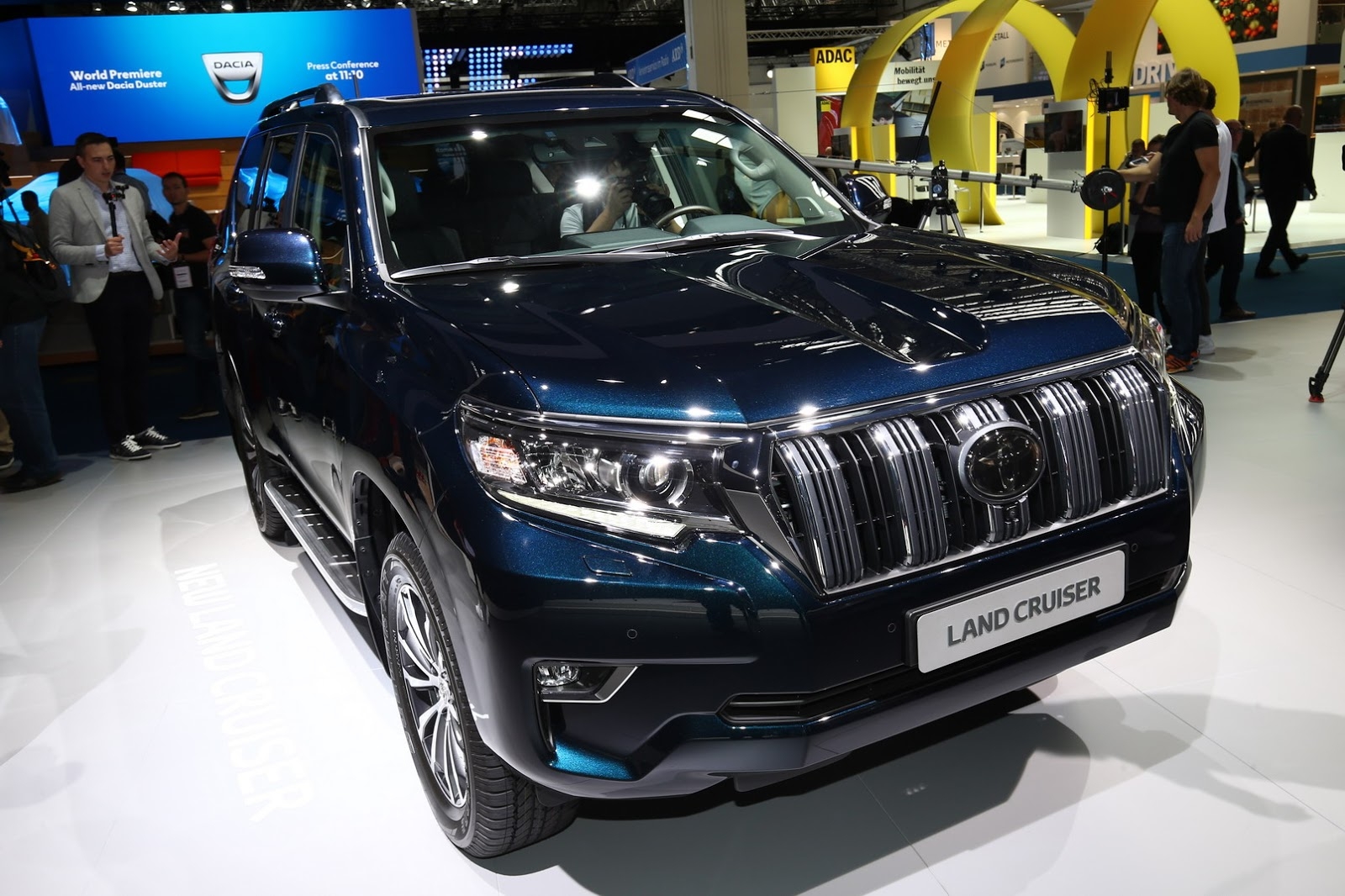
The fifth generation of the legendary “Pratica” was launched in 2009. In 2013 the car has undergone a major update that has affected both appearance and technical equipment. Now, the Japanese company had another facelift.
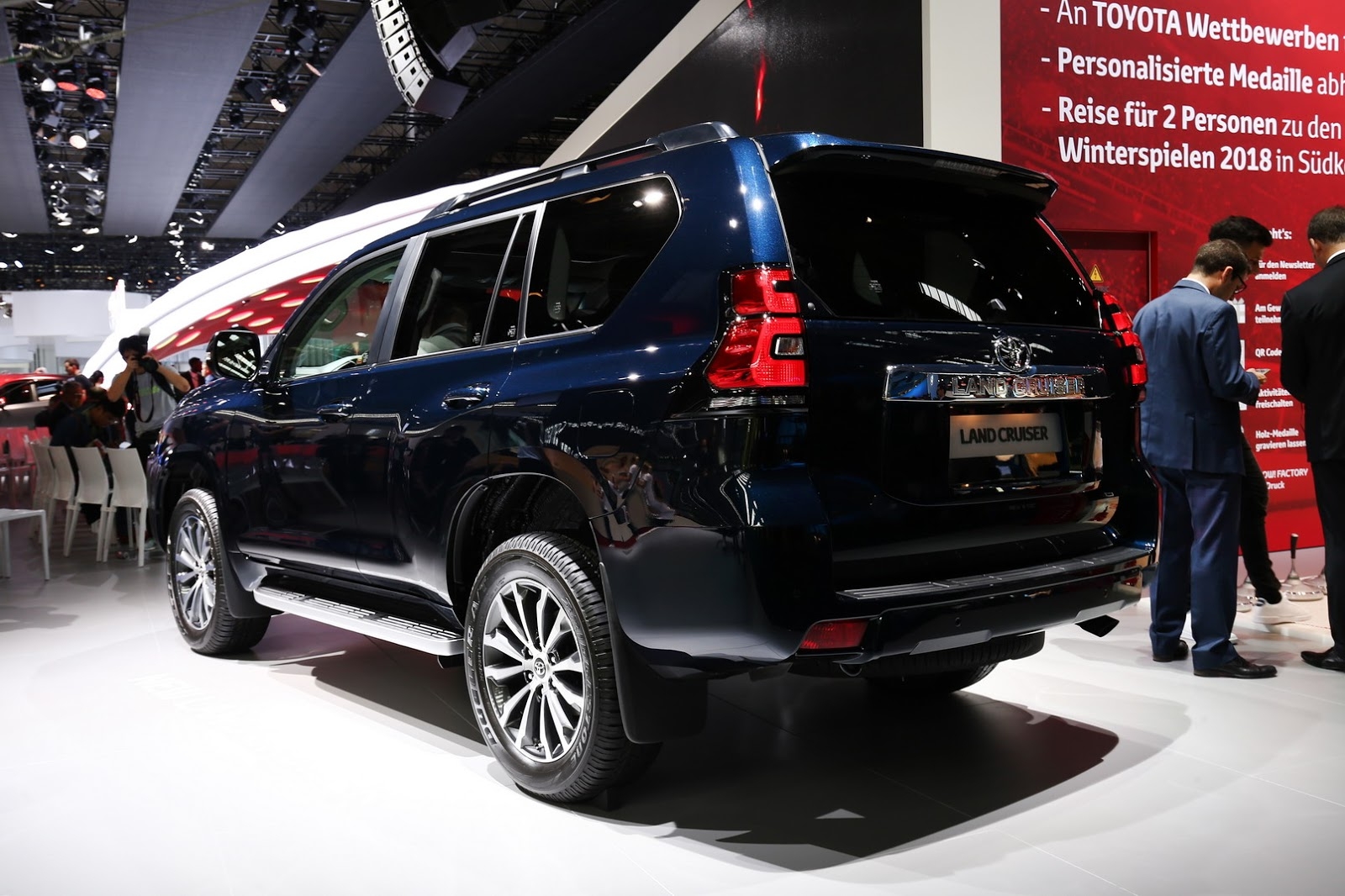
When you look at the new SUV is difficult to get rid of the Association with his elder brother, the “full” Land Cruiser, which was the calculation. Among other changes can be noted other rear lights with led filling, although in form they remain the same. Representatives of “Toyota” has told about a different wheel design, but it is concerned about this aspect of the models and last.

But much fresher was the interior. Now from the Central console is not blowing Korean music of the second half of the 90s, and the steering wheel moved straight from the LC 200. Even the insertion of plastic “tree” is surprisingly modest.

But from a technical point of view — nothing new. The manufacturer not simply will retain the same frame, the scheme of a full drive and suspension, and didn’t change any of the units. The simplest version will still be powered by a 163-horsepower gasoline engine of 2.7 liters, the main demand will have on the presented several years ago diesel engine volume of 2.8 liter (177 horsepower), and on top of its model range will be four-liter V6, which now documents deforsirovan to 249 horsepower to get into a more advantageous rate of vehicle tax. Almost all versions are equipped with six-speed automatic transmission, though the base versions saved and manual transmission.
Volkswagen T-Roc
This is the most compact crossover of Volkswagen, which is by 252 mm smaller than “Tiguan”. The car is built on the same platform MQB (or rather, for her little modification MQB-A0), so that in many respects will be similar with the elder brother.
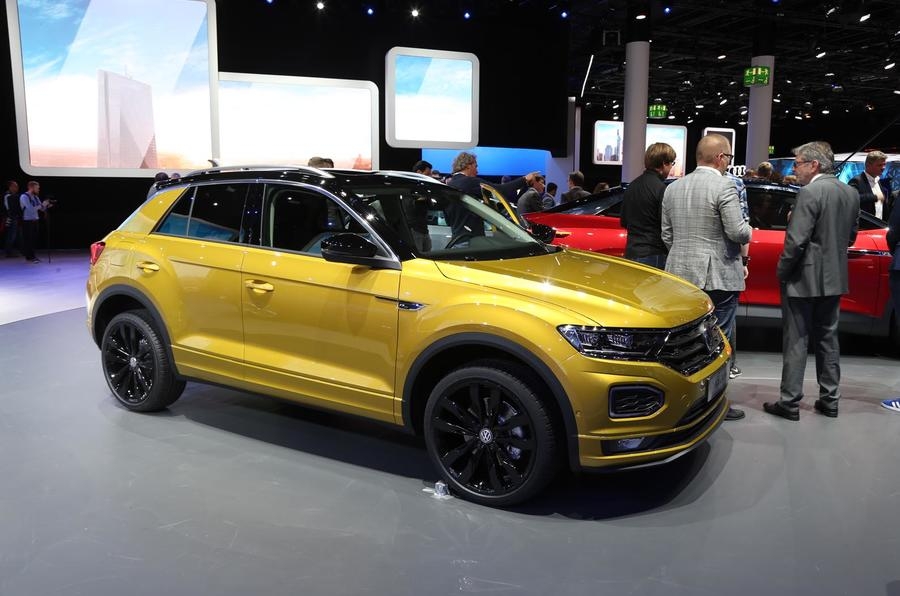
Volkswagen T-Roc has announced a couple of weeks ago, but now it can be admired in fashionable design R-Line.
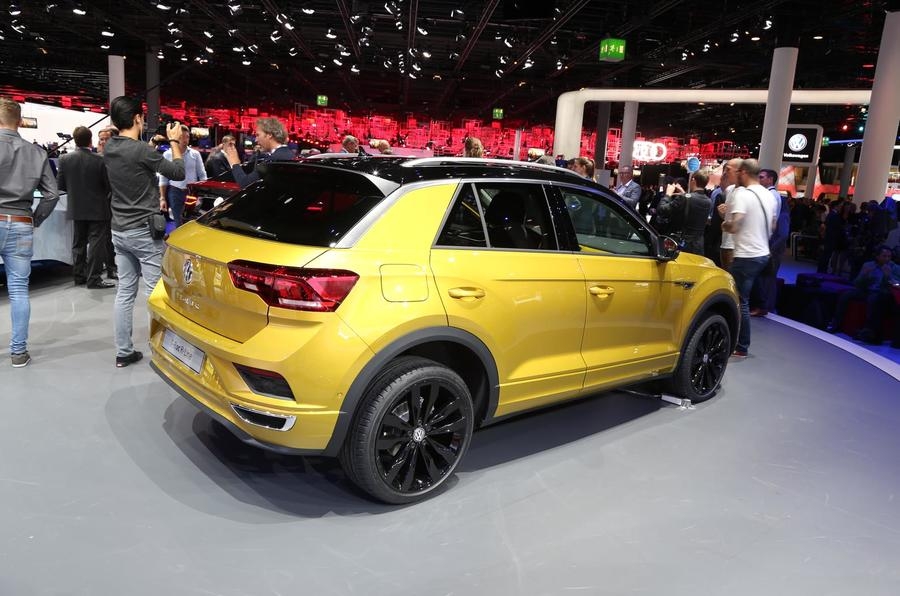
For Junior SUV, the company will offer petrol engines of 1.0 TSI (115 horsepower), a 1.5 TSI (150) and 2.0 TSI (190) and diesel 1.6 TDI (115) and 2.0 TDI (150 or 190). The weakest version will come with manual transmission, for cars with capacity of 150 and 190 forces will offer a seven-step “robot” DSG. The most powerful version can also be equipped with all-wheel drive 4Motion.
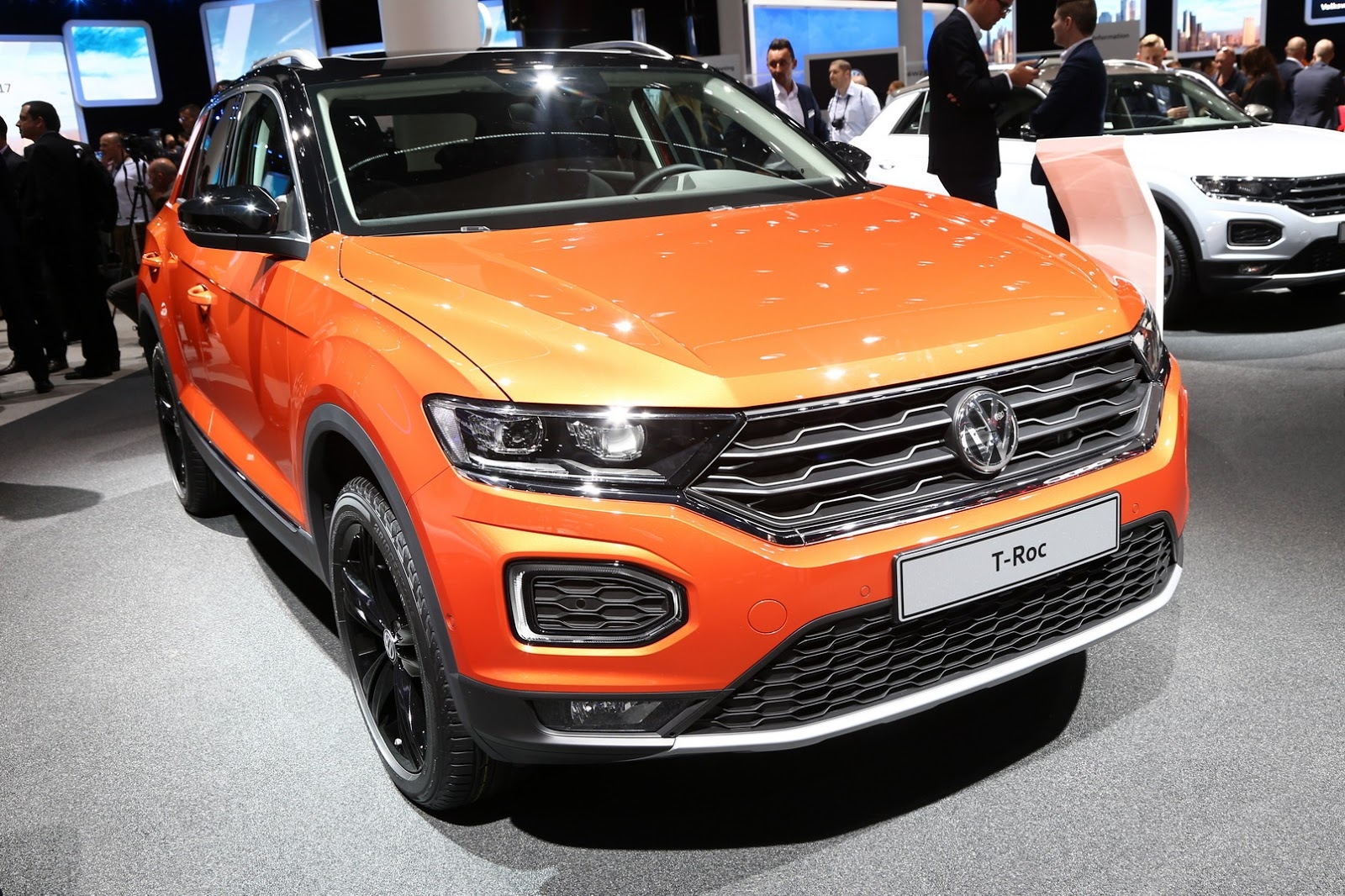
However, you can already start to forget that information: to Russia T-Roc is unlikely to reach.


Комментариев нет:
Отправить комментарий