Tierradentro is a National archeological park in the jurisdiction of the municipality of Inza, Department of Cauca, Colombia. The park is located 100 km away from the capital of the Department, Popayán.
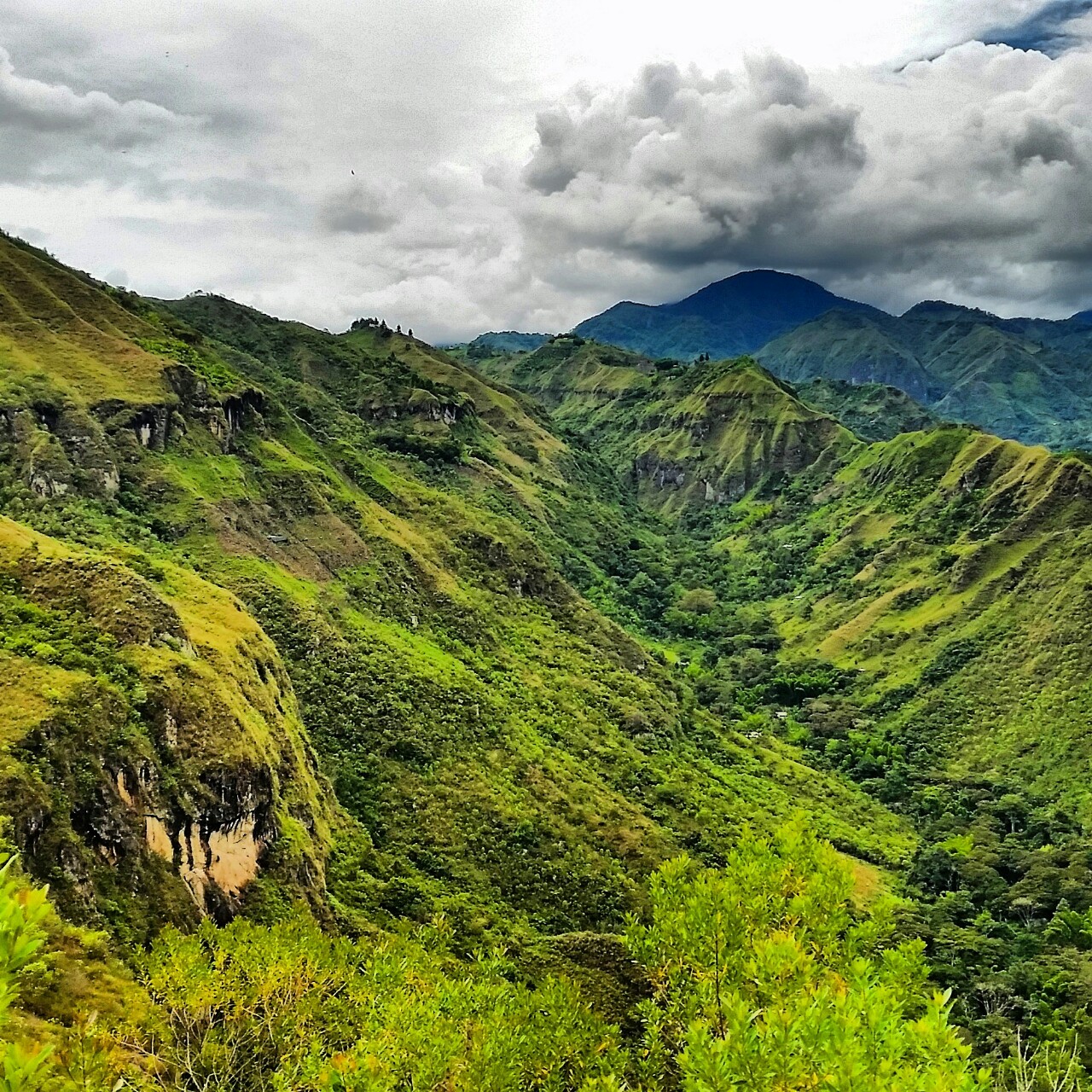


The area is very well known for its pre-Columbian hypogea, which were found in several excavations, and are divided in many archeological places. some of them are: Alto del Aguacate (Avocado Hill), Alto de San Andrés, Alto de Segovia, Alto del Duende and El Tablón.

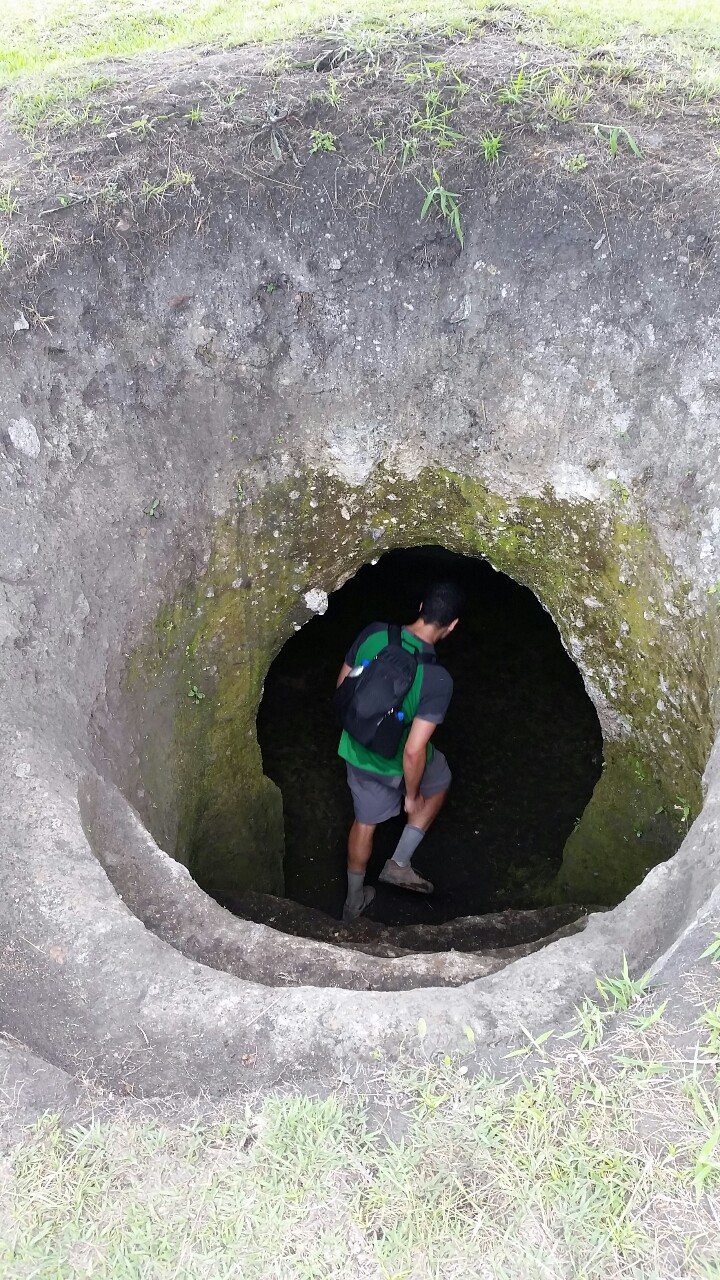
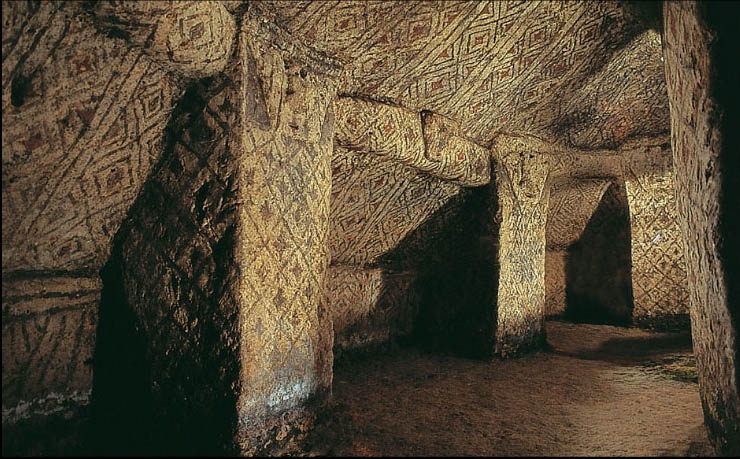
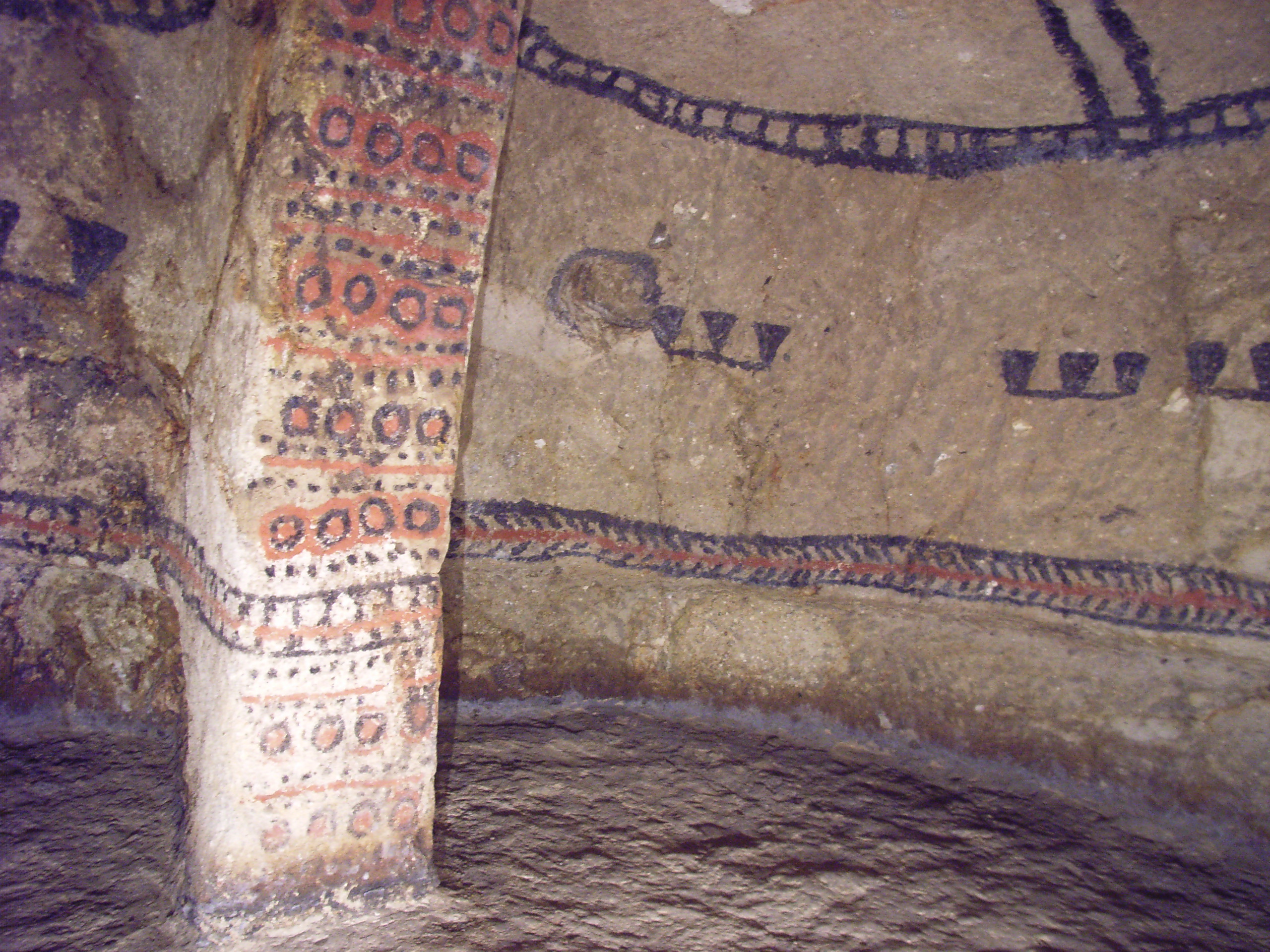
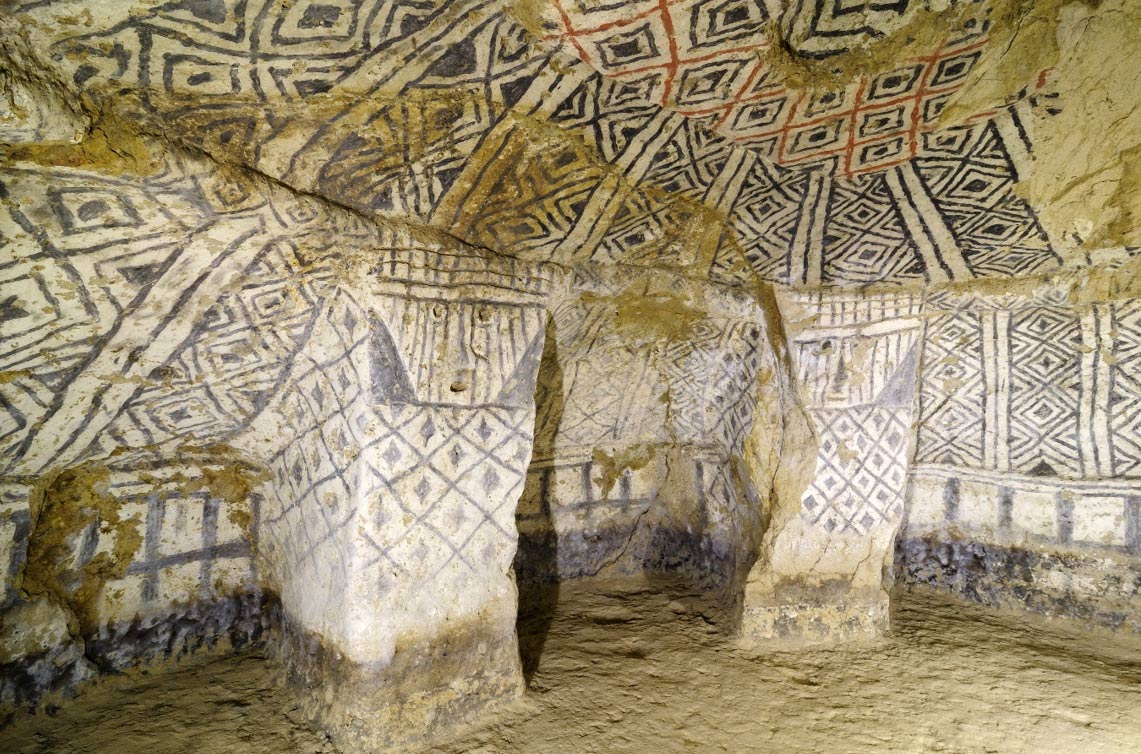
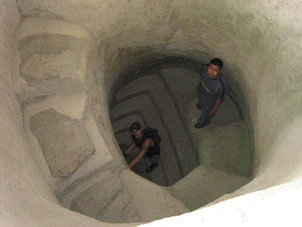
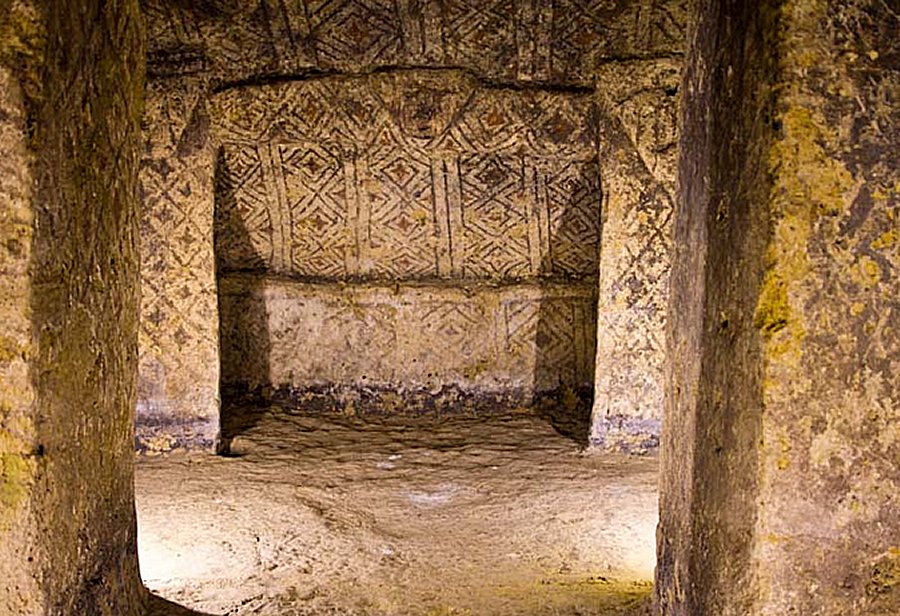
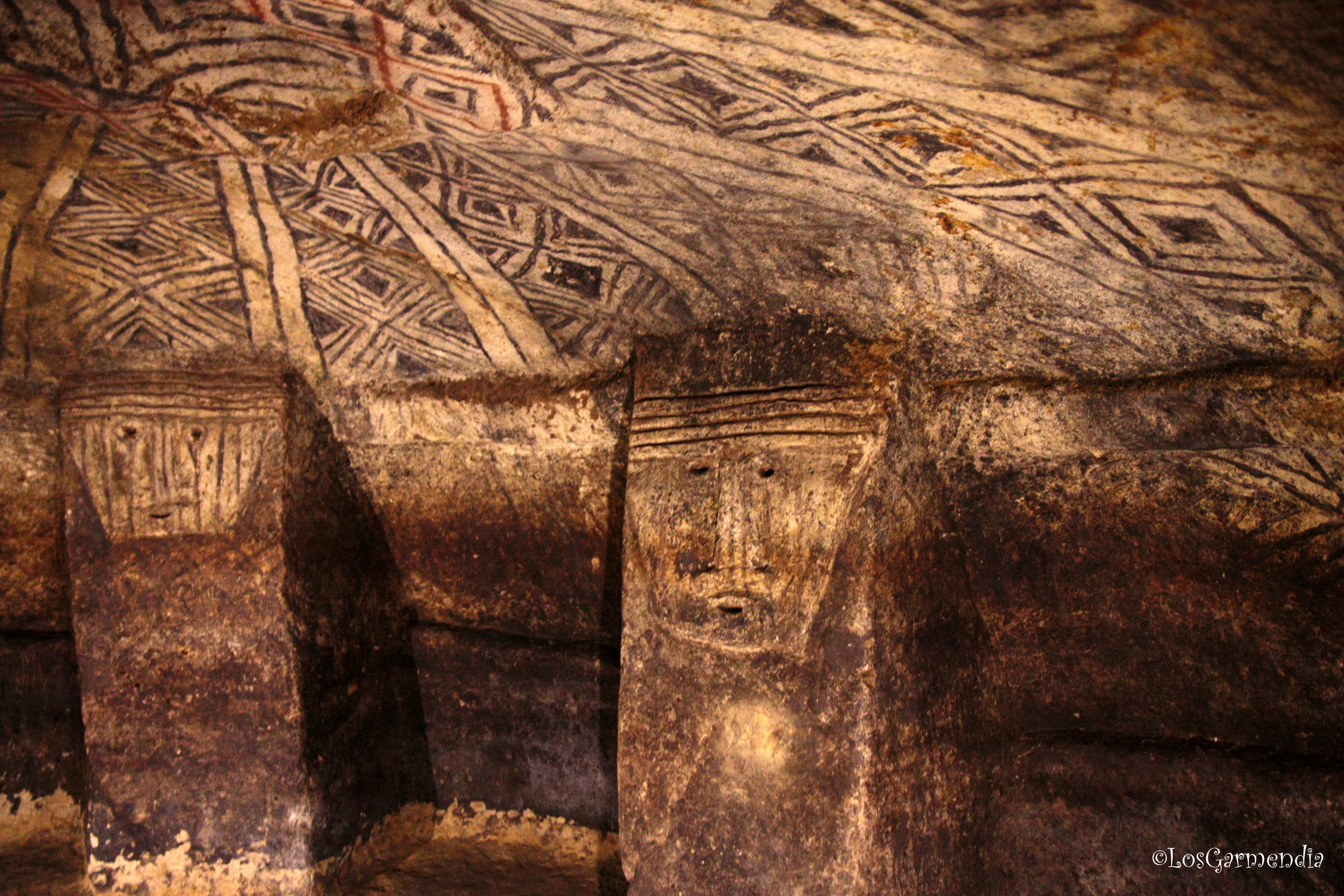
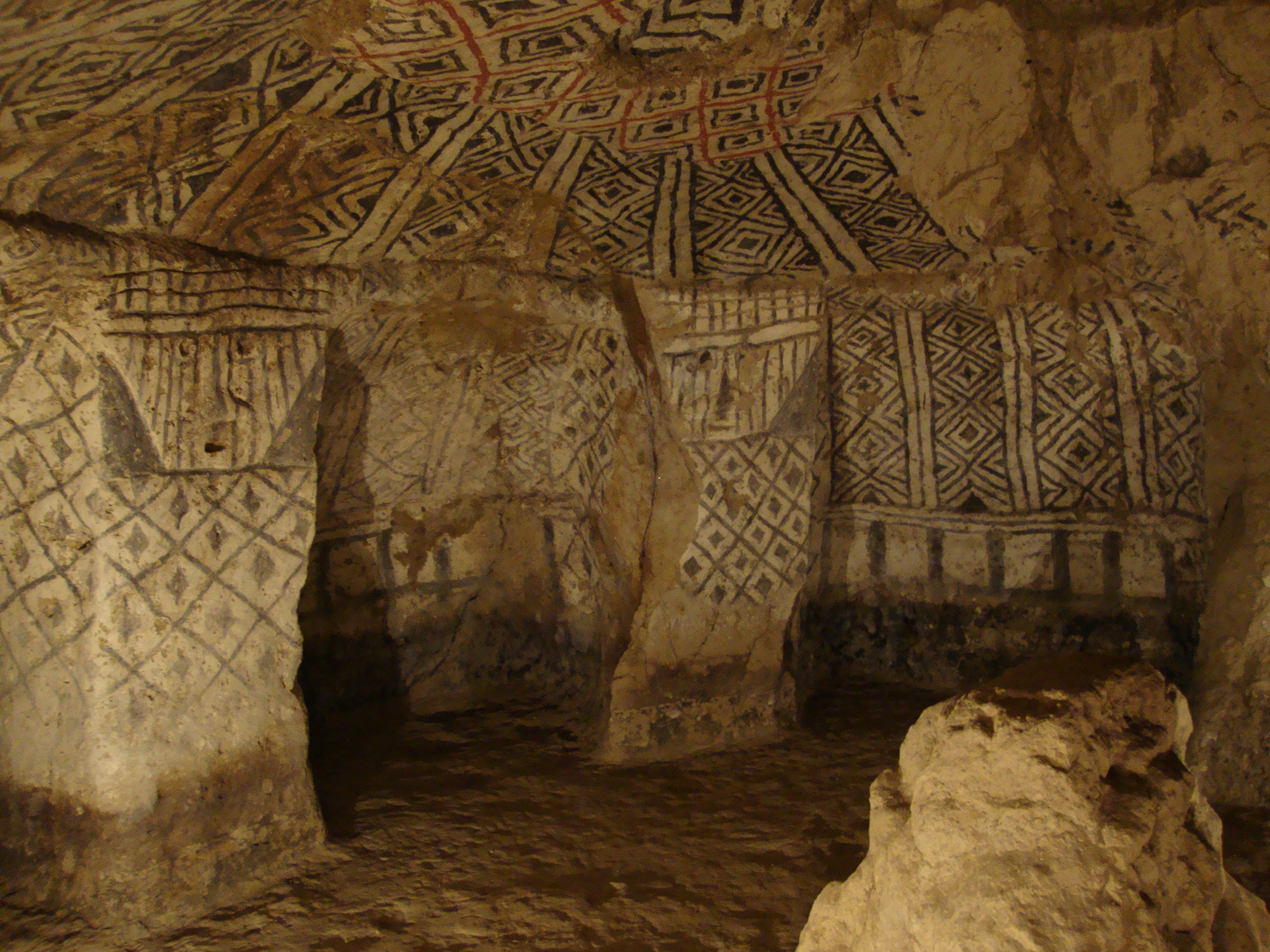
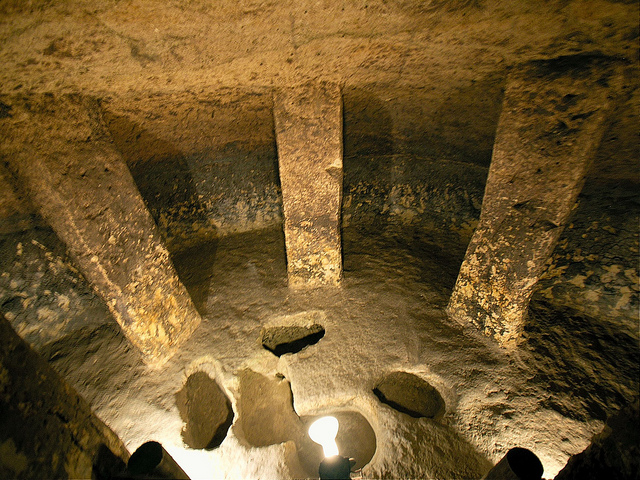
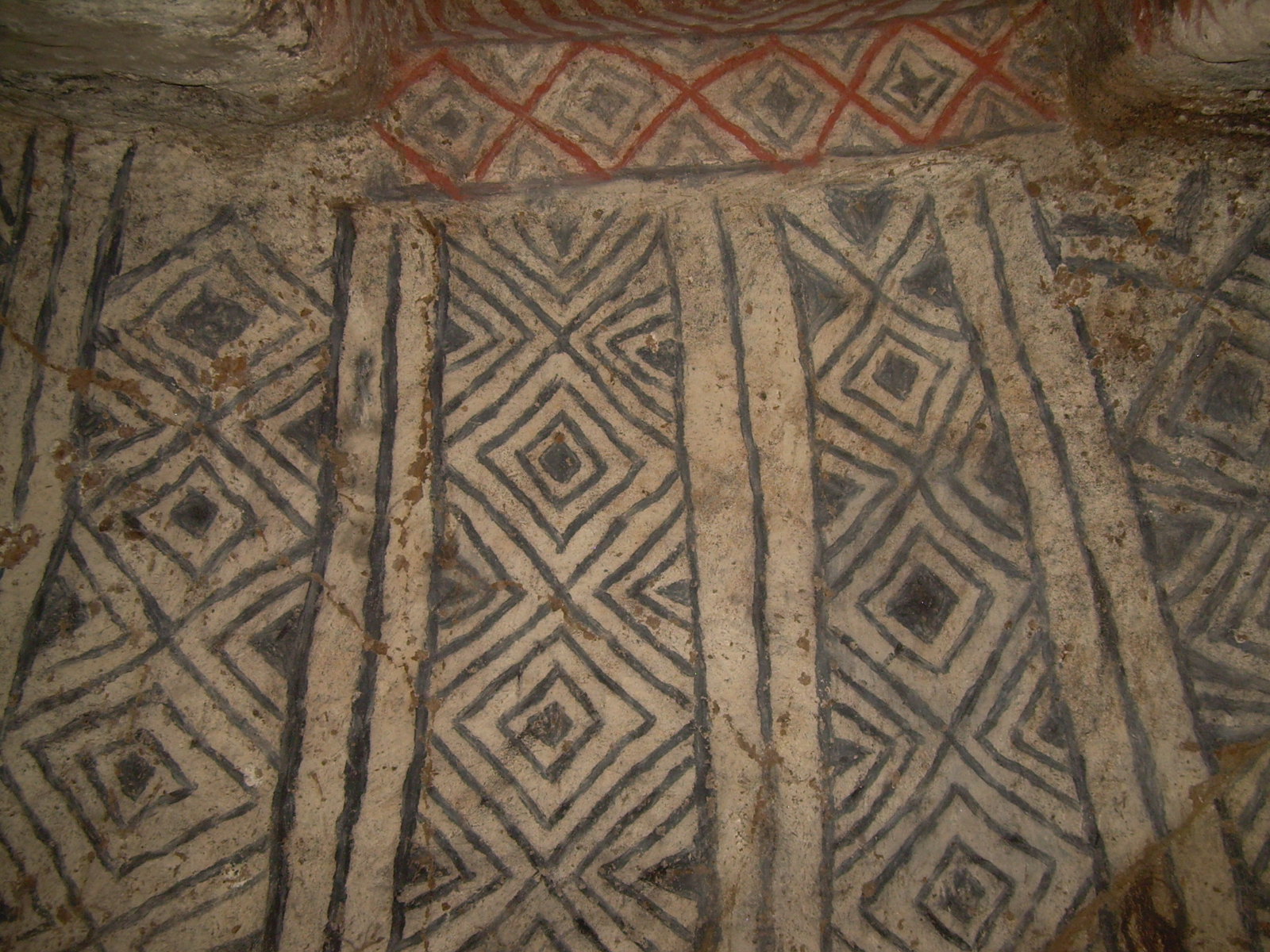
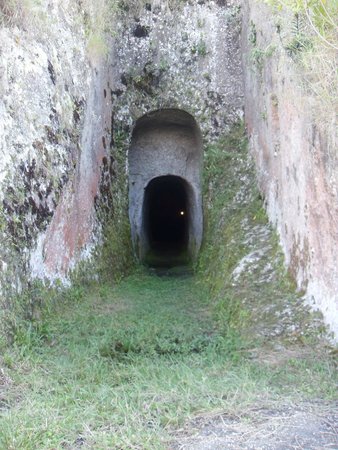
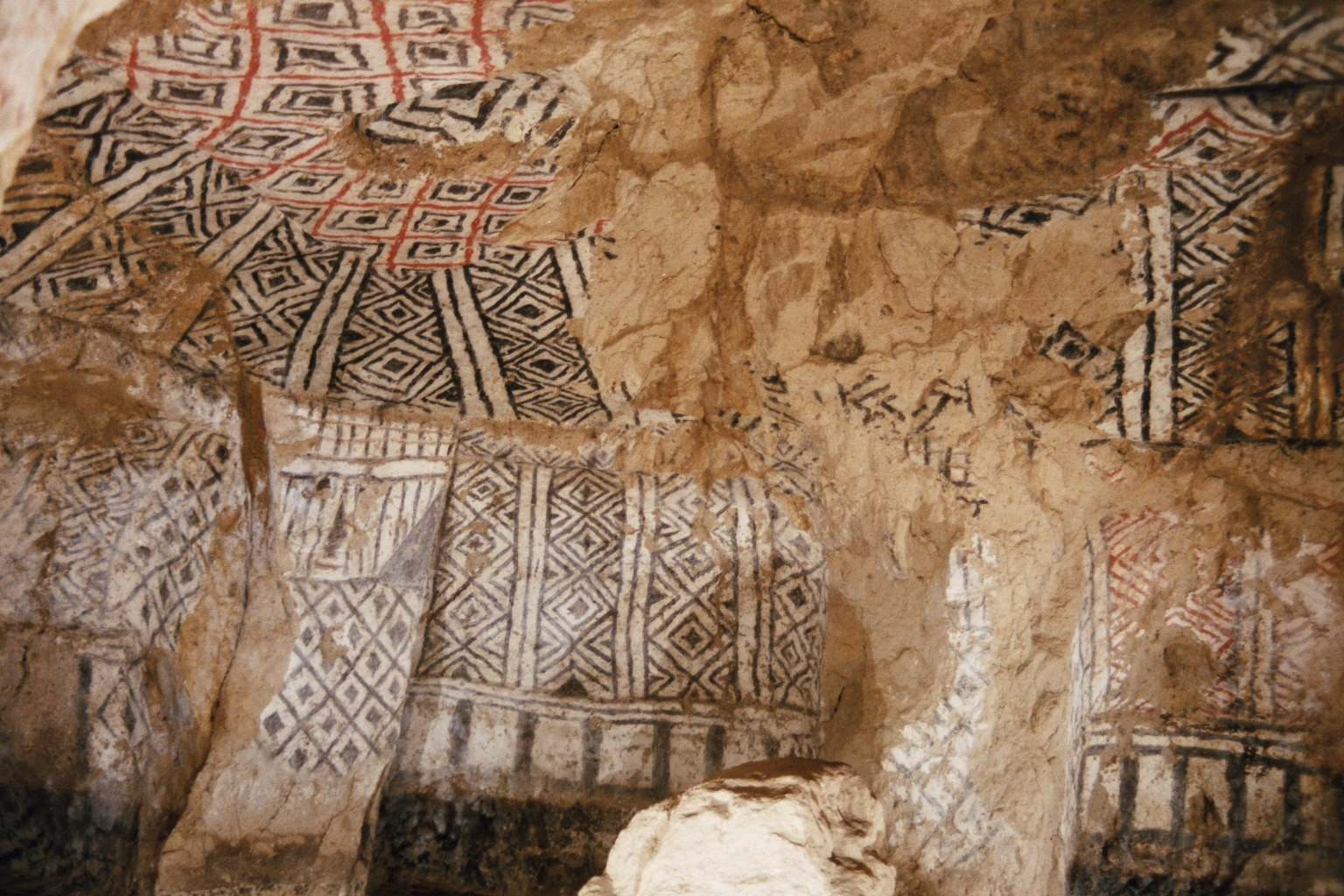
The typical hypogeum has an entry oriented towards the west, a spiral staircase and a main chamber, usually 5 to 8 meters below the surface, with several lesser chambers around, each one containing a corpse. The walls are painted with geometric, anthropomorphic and zoomorphic patterns in red, black and white. Some statues and remains of pottery and fabrics can be seen scarcely due to grave robbery before the hypogea were constituted as protected areas.

Not much is known about the pre-Columbian civilization who created the burial chambers.
Near the entrance of the park there are two museums. An archeological museum with pottery, statues and interesting information (in Spanish) and an ethnological museum with interesting information about the Paez Indians who nowadays live in the surrounding mountains.

From the entrance there are two walks. One will lead to Segovia a extensive site with the best preserved burial chambers and the only ones with light. Further up is the site El Duende with some more burial chambers. And close to San Andres is El Tablon with statues similar to the ones in San Agustín.

Huge stone gods, warriors and mythical creatures stand side by side in the fascinating, world heritage site of San Agustín set deep in the lush, rolling hills of Huila Department.

Dating back to AD100, San Agustin is one of South America’s ancient wonders, a site shrouded in mystery shut off from the outside world for many years. Constructed in volcanic rock, the statues, some 600 in all, litter the landscape alongside tombs, “mesita” burial mounds and terraces.


Together, they form part of the largest pre-Columbian funerary complex in the Americas, a vast site spread over 2000 km². Today, still very little is known about the origins of the site, only a tiny fraction has been excavated. Various hypotheses have linked San Agustin with Colombia’s Lost City or even with the ancient Maya in Mexico.











Комментариев нет:
Отправить комментарий